Giving our salmon the best possible start in life
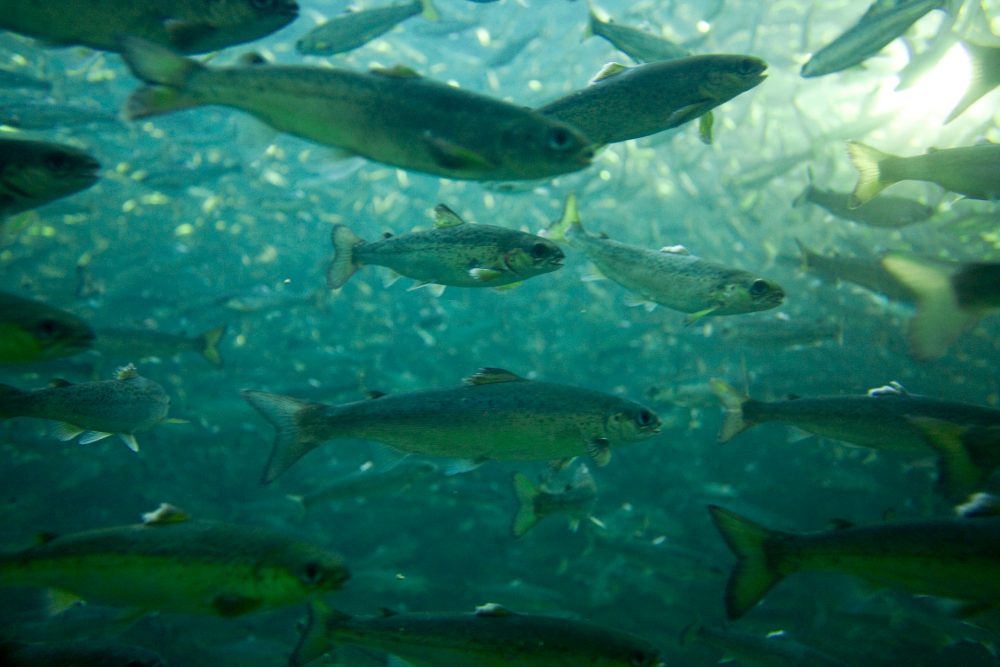
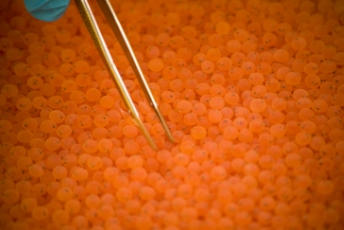
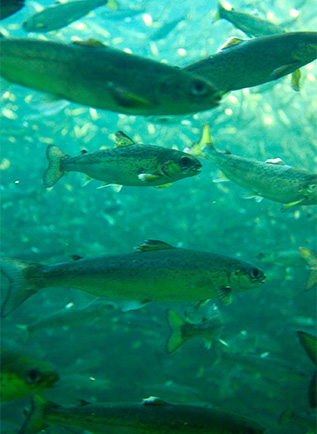
The first stage of a salmon’s life is spent in cold, fresh water. It is this environment that nurtures it through the key stages of its development from egg to alevin to fry to parr and, finally, to smolt – the stage at which the juvenile salmon transforms to adulthood. This metamorphosis or “smoltification” is one of the miracles of nature, enabling the salmon to move from a freshwater environment to saltwater. It’s a challenge which would kill most ordinary fish and ensuring that our salmon is perfectly prepared and ready for the transformation is key to our work in freshwater.
By setting the highest standards of nutrition, water purity and health and establishing the optimal size to transfer the fish, we give our smolts the best chance of survival as they arrive in the sea and create the basis for good health throughout their life there.
Freshwater is one of the world’s most precious resources. All of our lives depend on it and yet only 2.5% of the world’s water is fresh and pressures on it are growing exponentially, so we go to great lengths to ensure we use it as sustainably as possible. We are setting the very highest standards in our recirculation and purification of freshwater in all of our aquaculture facilities and are continually striving to improve the quality of the water our fish enjoy.
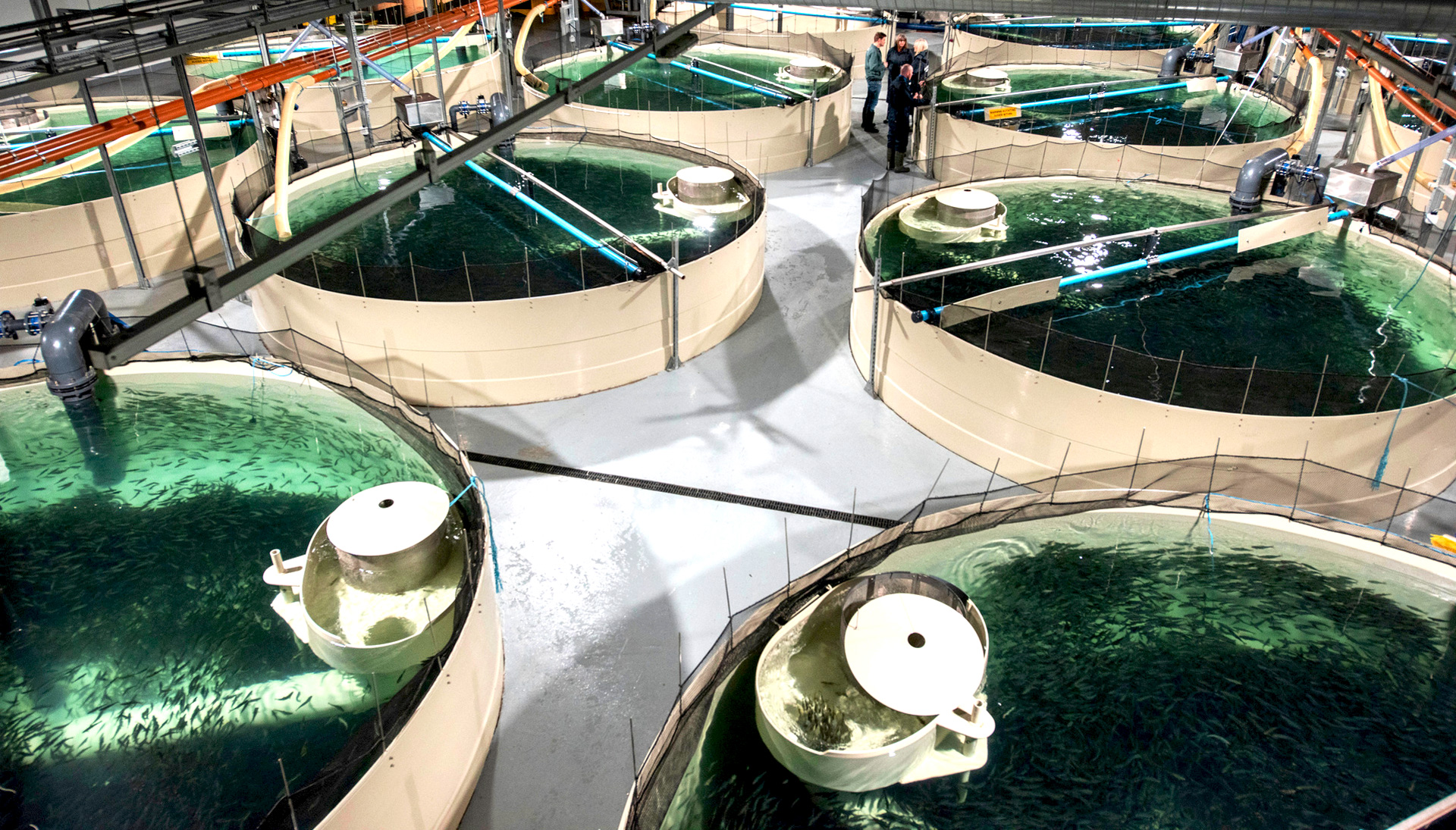
Creating the freshest of freshwater environments
Pure, fresh water is essential for the initial stages of the life of Atlantic salmon. Consequently, the success of our business depends entirely on our ability to use fresh water sustainably. Our facilities are carefully located in areas with low water scarcity and we use the World Resource Institute water risk map to help us identify if any areas where we farm our salmon are located in areas of medium or high risk. All our farming regions have low-risk ratings, from both water stress and water depletion perspectives (WIR Aqueduct, 2019).
It takes 2,000 kg of fresh water to raise a single kg of salmon and the volume of salmon we produce means that the only way to do this is by using large onshore tanks in which fresh water is purified and recycled many times. It is a skill we have perfected over many years and we are proud that it has enabled us to set new standards in how little fresh water we use and the quality of the freshwater in which we raise our salmon.
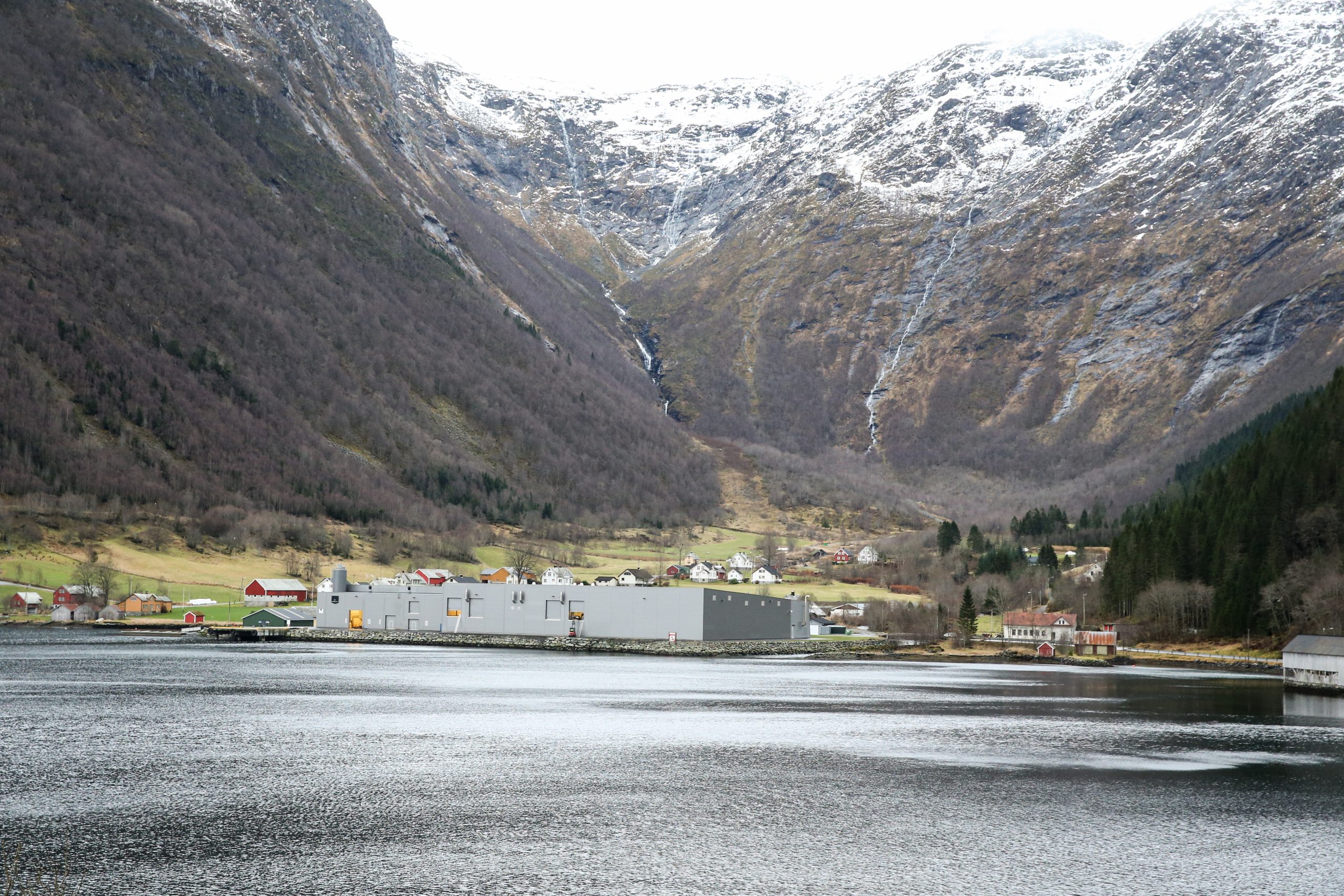
In 2021, more than 50% of our smolts were produced with RAS technology, making Mowi the aquaculture company with the most extensive experience with this technology for the production of the early life stages of farm-raised salmon. In fact, all our business units (except Ireland) are using this technology with a total of 18 RAS used around the world. Farming Norway’s expansion plan in freshwater production is planned to be realised mainly through the use of RAS technology.
The18 recirculating aquaculture systems (RAS) systems producing smolt and post-smolts with recirculation rates varying from 95 to 99.9% in our most modern and recent units. 83.7% of the freshwater was withdrawn from surface water, 10.5% from third-party sources such as municipal water networks and 5.8% from groundwater sources. In 2021, Mowi Group used an average of just 0.7 m3 of freshwater for every kg of salmon we produced. Any wastewater emanating from our operations is carefully processed and discharged in strict accordance with regulatory requirements and legislation.
We have long been committed to innovation and applying fresh thinking across our freshwater operations. Our deep understanding of the optimal freshwater conditions for rearing salmon has given us the unique insights needed to develop state-of-the-art RAS facilities constructed to our exact specifications. By carefully evaluating production methods, we are optimising the performance, robustness and welfare of our smolts. We are also leading the world in exploring the new technology platforms that will deliver alternatives to post-smolt production, where salmon spend longer in RAS and less time exposed to the risks of life at sea.
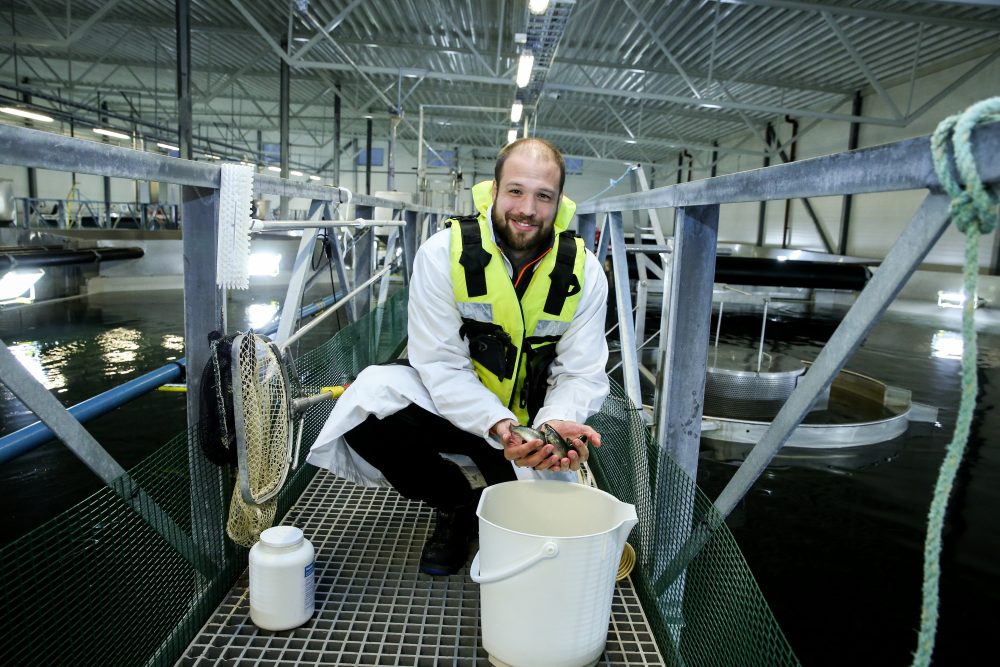
Timing a miracle to perfection
Most species live out their lives in the same environment they were born to, getting oxygen from the same air or water throughout their lifespan. The salmon, however, has developed some fascinating features—enabling it to live part of its life in fresh water and the rest in salty ocean waters.
The physiological changes a salmon must make when moving from fresh water to salt water are extraordinary. The transition requires it to reverse the way it pumps water through its gills, and expel salt rather than consuming it, in a process known as osmoregulation. Few fish have mastered this ability and it has taken salmon millions of years of evolution to achieve. We have taken many years to ensure our captive salmon make the transition successfully.
The move to salt water is when wild salmon are at their most vulnerable and we have gone to great lengths to ensure that our smolts are perfectly prepared for ocean life. We have carried out extensive research to find precisely when is the best point in the salmon’s life cycle to make the leap into the ocean. One of the key factors affecting survival rates, is the size of smolts. Consequently, we are investing heavily in expanded freshwater facilities so we can grow more of the larger, higher-quality smolts. They have proven to be more resilient and less susceptible to biological challenges in the ocean environment.
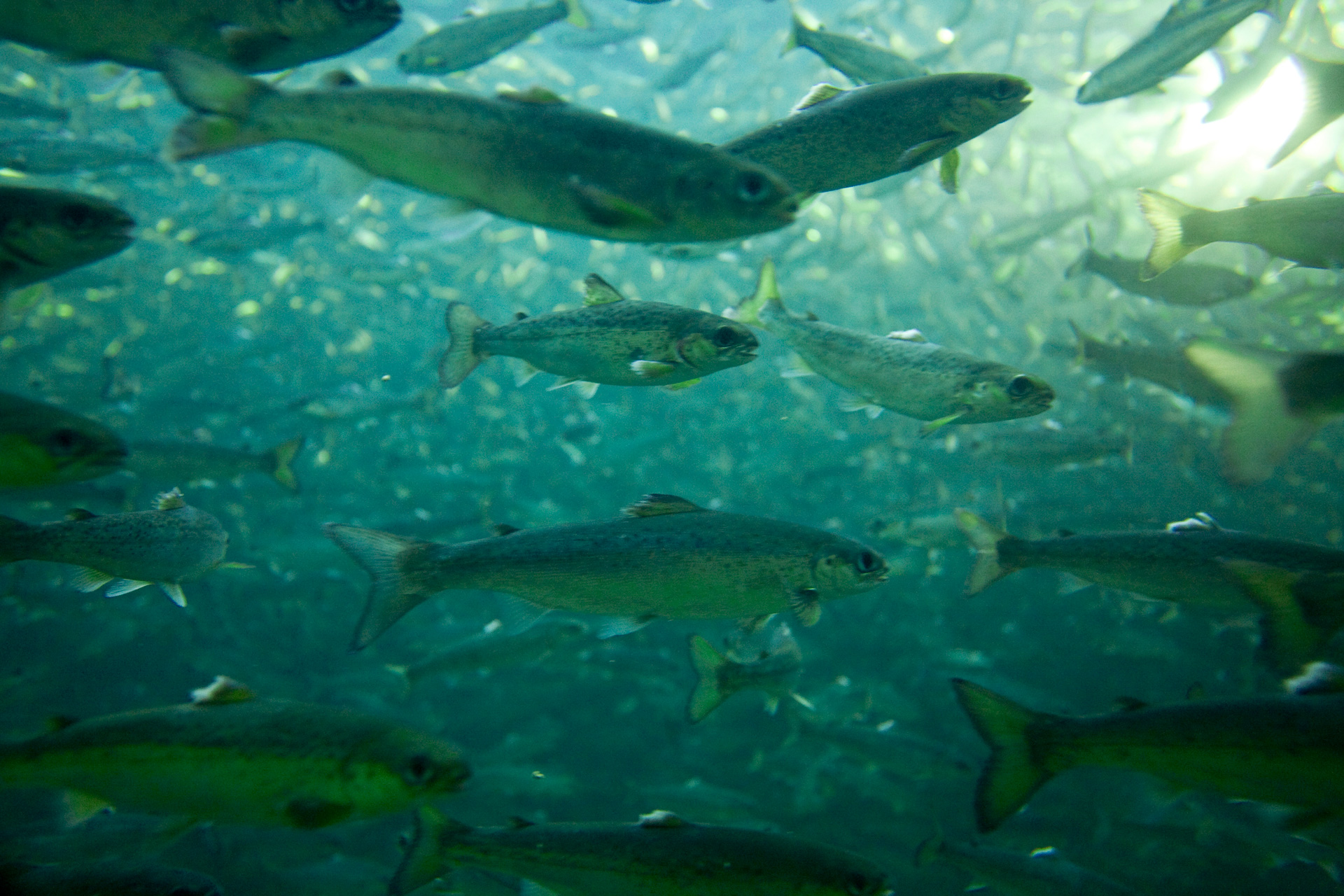
Accelerating our freshwater investments to produce larger smolts in higher volumes
Mowi reached a new harvest-volume record of 465 600 tonnes GWT in 2021, up by 6% or 25 800 tonnes from 2020 which was also a record year, following increased smolt stocking and overall good growth performance. To reignite growth in Farming Norway, Mowi is accelerating freshwater investments over the next five years in order to produce more and larger smolt. In 2021, we continued to expand our smolt facilities and launched a postsmolt investment programme in Norway. The new freshwater facilities will enable production of larger smolt of higher quality which are less susceptible to biological challenges. Plans are also underway to increase the average smolt size in our Scottish farming operations, and structural investments relating to seawater in Scotland include new equipment to support
larger sites and also building new sites to utilise new licenses. In Chile, Mowi continues to invest in freshwater sites and improved efficiency in seawater, harvesting and processing.
Setting new standards of fish health with 100% vaccination rates
By inoculating all of our fish, we massively reduce chemical and pharmaceutical use. All of our smolts are vaccinated before transfer to seawater in order to maximise disease prevention and reduce the need for pharmaceutical or chemical interventions at sea. We view high-quality and effective vaccines as key ingredients and work closely with researchers and pharmaceutical suppliers to ensure we are using the most effective products possible. Careful monitoring and 100% vaccination rates combine to give us some of the very best smolt survival rates in the sector and help maintain the exceptional volumes and quality of the salmon we bring to market.
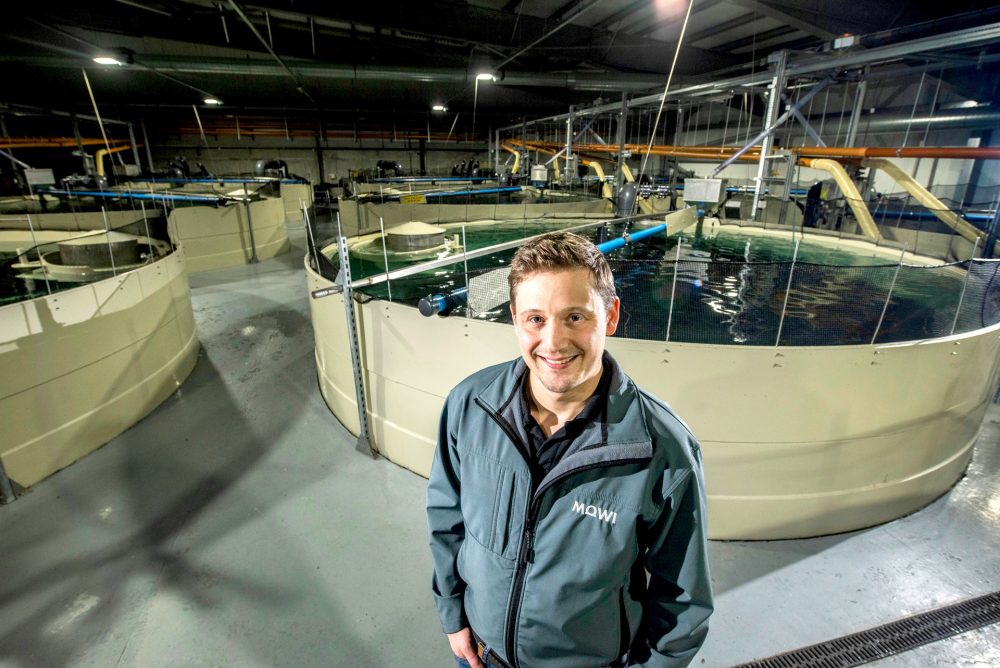
Setting new standards of sustainability in our freshwater operations
Ensuring our freshwater salmon farming facilities perform as resource-efficiently as possible, is a key priority in our sustainability strategy. We are steadily increasing the share of renewable electricity used at our freshwater sites, sourcing from renewable supplies and identifying opportunities to generate renewable energy on site.
We are investing in more and more efficient recirculation technologies that will enable us to reduce water use still further while maintaining the very highest standards of water quality for our fish.
We also aim to set new standards by embracing the circular economy across all of our freshwater sites. As well as initiatives to close loops by recycling and reusing more, and avoiding single-use plastics wherever possible, we are looking to deploy organic wastes, such as the sludge from our tanks and filtration systems, to maximum effect as both a potential energy source and fertiliser.
Recirculating Aquaculture Systems (RAS)
In 2021, we continued to build internal knowledge within RAS technology on the basis of our smolt and postsmolt systems. We worked with our freshwater farming operations to refine and optimise global best practice recommendations for design and operation in Recirculating Aquaculture Systems (RAS). The main focus has been to limit risk of mass mortality and achieve optimal smolt numbers and sizes . The Global Technical Team (GTT) for freshwater farming has agreed on technical and operational preferences for production in RAS systems. This will unify our approach to RAS technology.
In 2021, our Freshwater Policy was updated with a new target: By 2025, achieve a reduction of 10% on water intensity at our processing plants located in medium-high water scarcity risk,using 2018 as a reference year.