


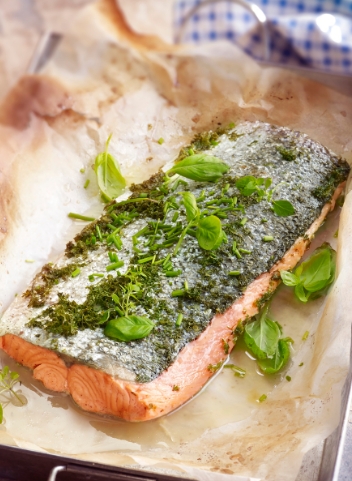
Deploying innovative new technologies to optimise timing and minimise stress
Harvest is the most stressful time for every farmer. Timing is critical and ensuring that the product gets to market in the best possible condition is absolutely crucial. As the world’s most experienced commercial salmon producers, we are at a distinct advantage, however, we never rest on our laurels and are continually improving the systems we use to harvest our salmon.
We know that any stress, created during the processes we use, can have repercussions right down the value chain and, because we operate along its full length, we can feed back directly to flag any issues that arise. This has enabled us to fine-tune our processes and to research and establish which systems deliver optimal results.
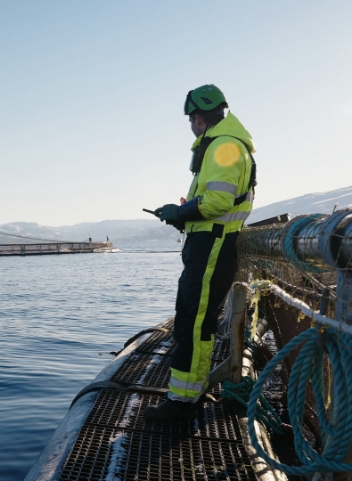
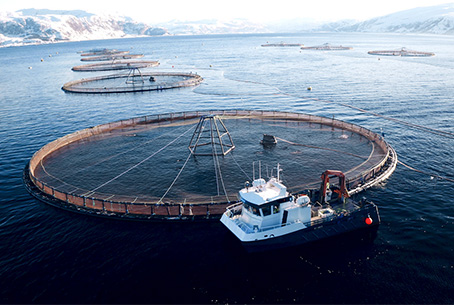
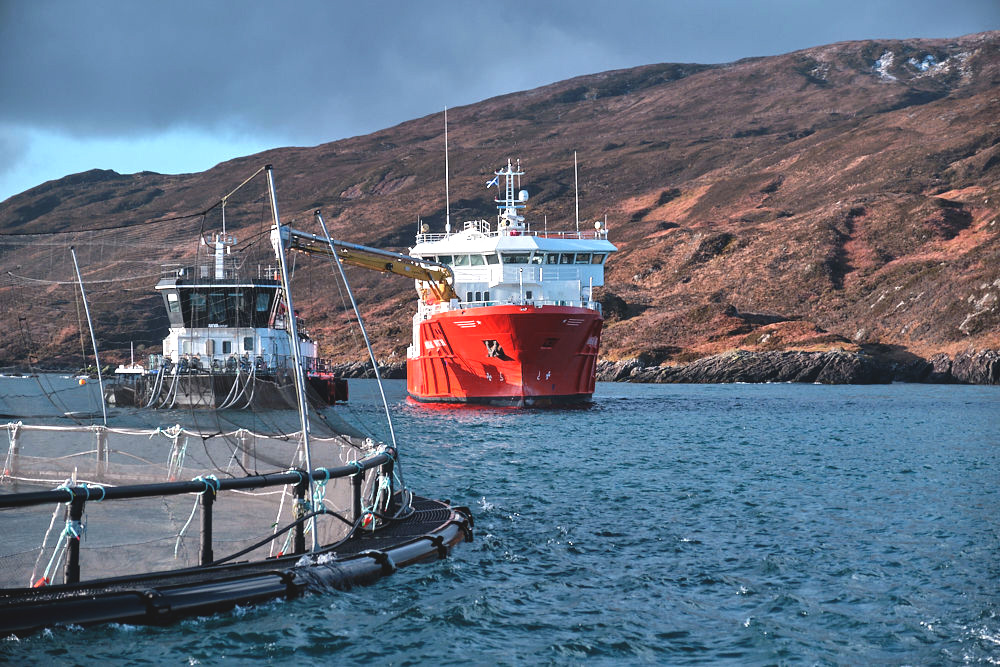
We have spent many years perfecting the systems we use to harvest salmon to minimise the stresses they experience during harvest. One method we have pioneered is to use sea harvest boats in which the salmon are stunned and bled right beside the farm where they spent their lives. This new technology reduces the amount of handling of the live fish, reducing stress, and many other salmon producers are now following our lead.
As we develop Mowi 4.0, and collect detailed data about the condition, weight, and size of our salmon, we will be able to predict, and time, harvests more accurately than ever before. This is setting new standards of precision, enabling us to deliver to customers’ exact specifications in ways never before possible.
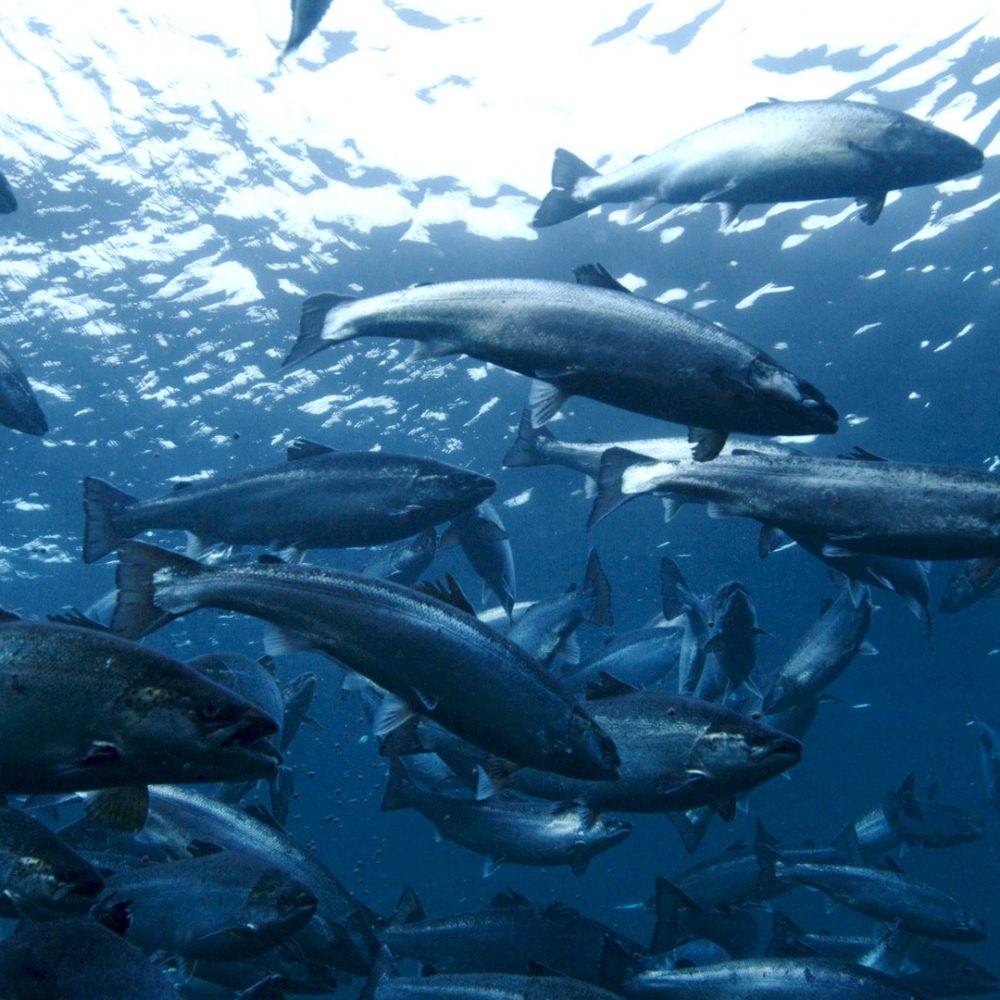
2021 Harvest Volume
-
Mowi's Global Market Share
20 % -
Norwegian Origin of total volume
58 % -
Chilean Origin of total volume
14 % -
Canadian Origin of total volume
10 % -
Scottish Origin of total volume
14% -
Irish Origin of total volume
1 % -
Faroes Origin of total volume
2 %
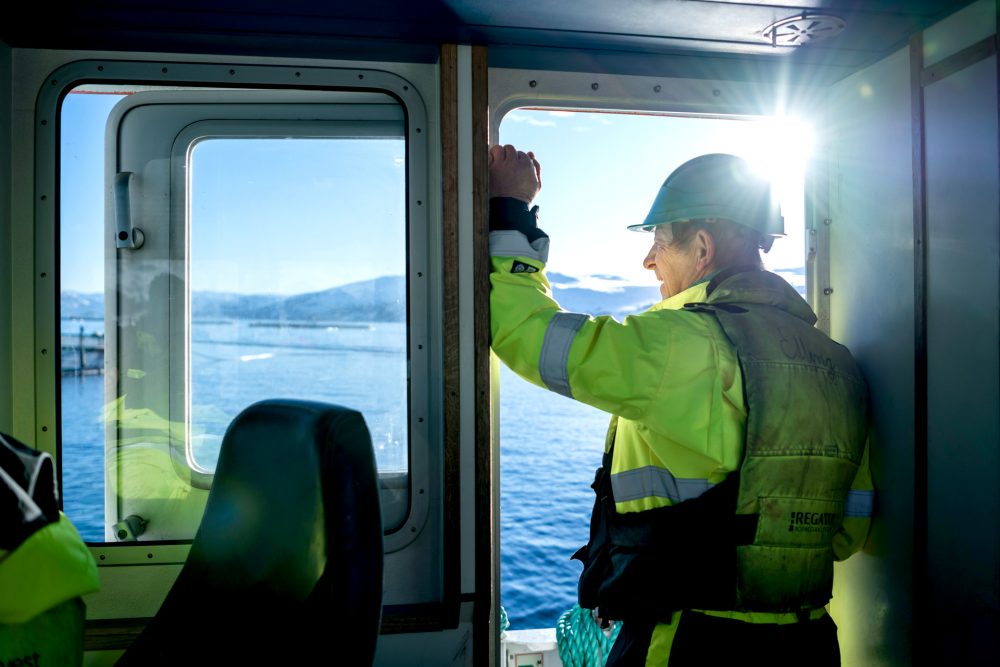
Setting higher standards of quality by achieving lower levels of stress
There is a wealth of evidence revealing that any stress that fish are subjected to, immediately prior to slaughter, has a negative impact on the quality of their meat. Various studies have revealed that fish are highly susceptible to stresses which can lead to hormonal and other changes to body chemistry which can affect the nutrient values, texture and quality of the finished product.
This is why we set the very highest standards of fish welfare at these critical stages leading to the end of our salmon’s lives. We always focus on handling our salmon as carefully and gently during harvesting and ensure that fish are in the calmest possible state throughout the process. The pumping and shepherding processes we use to harvest our fish, have been developed and refined to minimise stress.
We also ensure that live fish, transported by boat, are never overcrowded and that journey times are kept to a minimum. The water in holding tanks is maintained at the healthiest possible flow rate and continuously monitored to ensure optimal temperature, O2 and CO2 levels. And, finally, we ensure that our fish are slaughtered in the most humane and effective way possible, by using percussive or electrical stunning.
It is normal practice to withdraw feed from fish prior to harvest for hygiene, and other, reasons. We have carried out considerable research to ensure the withdrawal period is as short as possible, without compromising slaughtering hygiene and product quality. We recommend between 3 and 5 days, depending on water temp.
Leading the salmon industry to a better harvest
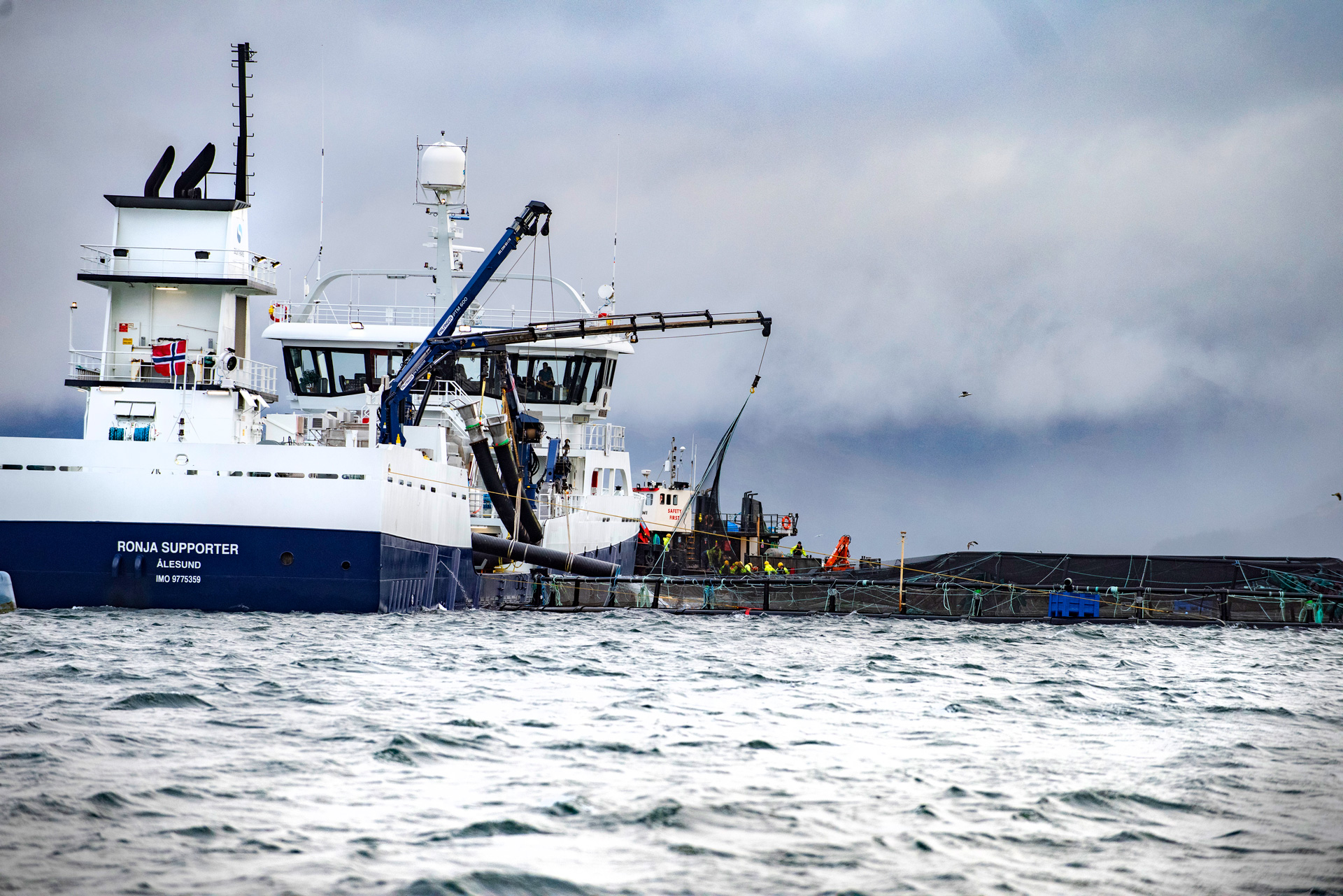
Building on the wealth of experience built up by colleagues at Mowi Canada West, we have invested heavily in the Sea Harvest concept in Norway. Ultimately, we plan to roll it out to all of our operations around the world.
Previously, harvesting involved pumping the salmon from the pen to a well boat which contains water tanks in which they are transported live.
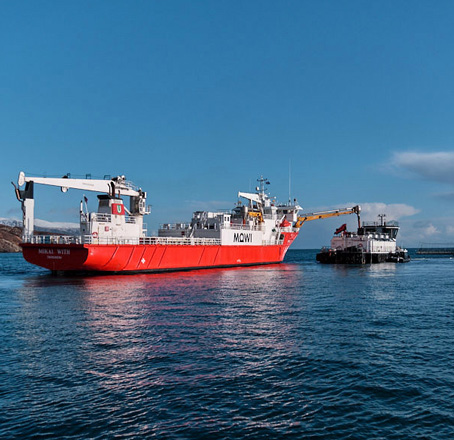
The new sea harvest system has far fewer steps for the salmon. They are pumped from the pen and once on board the vessel they are efficiently stunned and bled. They are immediately then chilled in Refrigerated Sea Water (RSW) tanks and transported directly to the packing station.
Mowi pioneered the Sea Harvest concept in Norway and now has four boats in operation. Many other farms are now following our lead. But, not content with having led the development of Sea Harvest, we are actively working to improve harvesting standards still further. As owners and controllers of the whole value chain, we are in a unique position to evaluate the performance of our sea harvest boats, and processing plants, so we can refine processes to deliver even more humane and efficient solutions.
One of the reasons Mowi Norway has invested so heavily in the sea harvest concept, is because we envisage stricter transport regulations in the future. These will target improved biosecurity practices and pathogen-free transport. Sea Harvest sets a gold standard against these concerns as there is zero discharge of water from the boat, and all blood water is contained for delivery to a treatment plant for disinfection.
Benefits of the Sea Harvest concept
- Fish are less stressed with a single step replacing two or more
- Zero discharge of water from boats helps protect wild salmon
- Empowers further, sustainable, aquaculture growth
- Limits spread of infectious agents
- Reduces infection pressures from existing and known agents
- Mitigates risks of new infectious agents being introduced and established
- Ensures predictability in harvest plant structure
- Gives greater logistics flexibility to move across borders
- Longer pre-rigor time due to immediate blow to the head upon harvest and less stress
Ensuring new levels of fish welfare, biosecurity and efficiency without affecting quality levels
Delivering the highest quality of salmon to our customers has always been among our top priorities. Consequently, we were keen to establish that the new sea harvest process had no negative impact on quality. We undertook several studies, in co-operation with Nofima and Sintef, to assure customers that our sea harvest approach had no negative effect on product quality.
The results of the studies bore out our own insights – based on ten years of practical experience. Harvesting salmon at sea has no noticeable negative effect on the quality of the salmon produced. We are determined to maintain our focus on achieving superior quality and we will continue to carry out detailed evaluation of our harvest processes. Having holistic control over the supply chain, means we can actively monitor our salmon to inform and improve harvesting processes into the future.

How Mowi 4.0 will help us improve consistency and quality standards at harvest
We are steadily rolling out Mowi 4.0 across all of our facilities worldwide. This totally connected data network will link every element of our value chain from start to finish giving us unique control and flexibility. A core part of that is the equipment we use to monitor the fish in our farms. It assesses every individual fish on the farm against key criteria including health, weight, size and condition. This enables us to identify the optimal time for harvest, predict when harvests will occur more precisely and ensures we can deliver fish that are completely consistent with each customer’s specific requirements.
Why darker gills are nothing to worry about
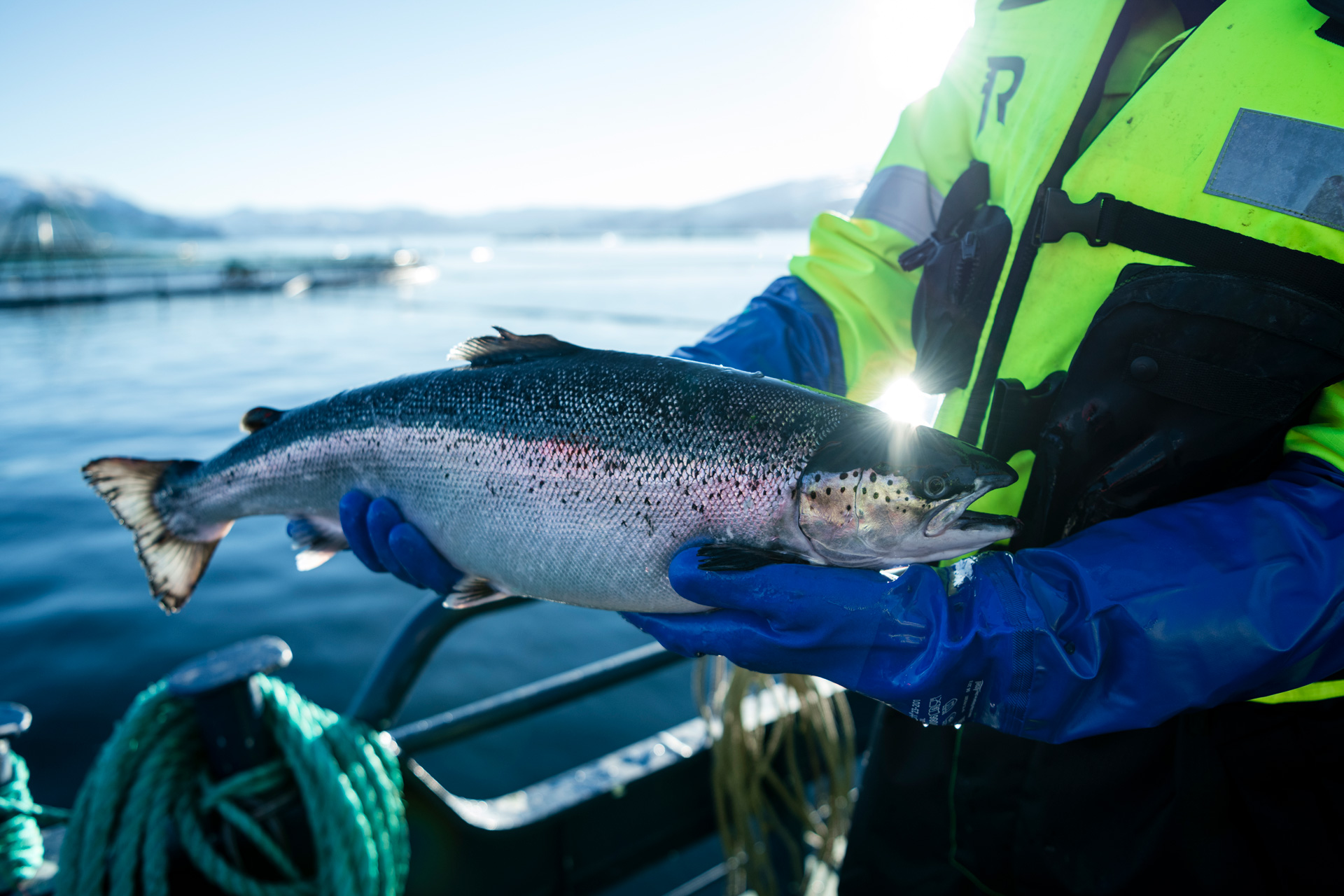
Some customers have noted discolouration of the gills of farmed salmon resulting from both harvest methods. Whilst gill colouration is a freshness indicator with wild salmon, gill colour in farmed salmon is not related to quality. For wild-caught fish there are many more variables at the point of harvest including: temperature, hygiene and bleeding. None of these can be controlled in a wild harvest, however, harvesting of farmed salmon takes place in a far more controlled way, where variables such as hygiene, core temperature and other important process parameters are controlled down to the smallest detail. This ensures a consistent, high-quality product, with optimal microbiology and a longer shelf life, compared to wild fish.
Our research and experience have revealed that gill colour can be affected by the chilling method. Salmon harvested at sea are chilled using RSW and this method can sometimes affect the residual blood levels in the gill arcs after bleeding. We also know that the natural oxidation processes in the remaining blood residues can result in darker gills compared to wild fish at harvest.