Setting new standards of sustainability across our industry
Aquaculture has the power to feed the world with many of the healthiest ingredients. But unless we do that in harmony with the planet, in ways that protect its climate, its resources and its ecosystems, it is all meaningless. We are determined to demonstrate the highest levels of sustainability in everything we do and lead the Blue Revolution by example.
This is why we helped to establish the Aquaculture Stewardship Council (ASC) standards. These are the strictest standards for environmental sustainability and social responsibility aspects of our industry. Only those producers who operate to the highest levels possible are ASC certified. Our teams work closely with the ASC to determine the criteria and practices needed to guarantee healthy fish in healthy environments on a healthy planet. We also work in partnership with other organisations devoted to marine sustainability including GSSI, SeaBOS and sit on the High-Level Panel for a Sustainable Ocean Economy.
Mowi is committed to being part of a circular economy designed to protect the planet and reduce the demands we put on its precious resources. We are employing a wide range of initiatives to ensure that the all the equipment and packaging we use, will be fully recyclable or reusable.
Working in some of the most unspoilt, beautiful parts of our planet, we are the first to recognise that our stewardship extends beyond the animals in our care, to all the life forms that inhabit the ecosystems around us. That’s why we have a zero-tolerance approach to escapes, are committed to controlling sea lice and minimise the organic waste emanating from our farms. We actively explore ways to moderate our impact on surrounding ecosystems naturally, using other aquatic life forms such as cleaner fish, kelp and molluscs.
Ensuring that our activities leave the lightest possible footprint on our surroundings and the wider environment is central to our philosophy and key to our future as a business. And, because we control every aspect of the salmon food chain, we can be sure that we are protecting biodiversity and improving standards of sustainability at every step along the salmon’s journey from fjord to fork.
Mowi consistently sets higher standard in sustainable protein production
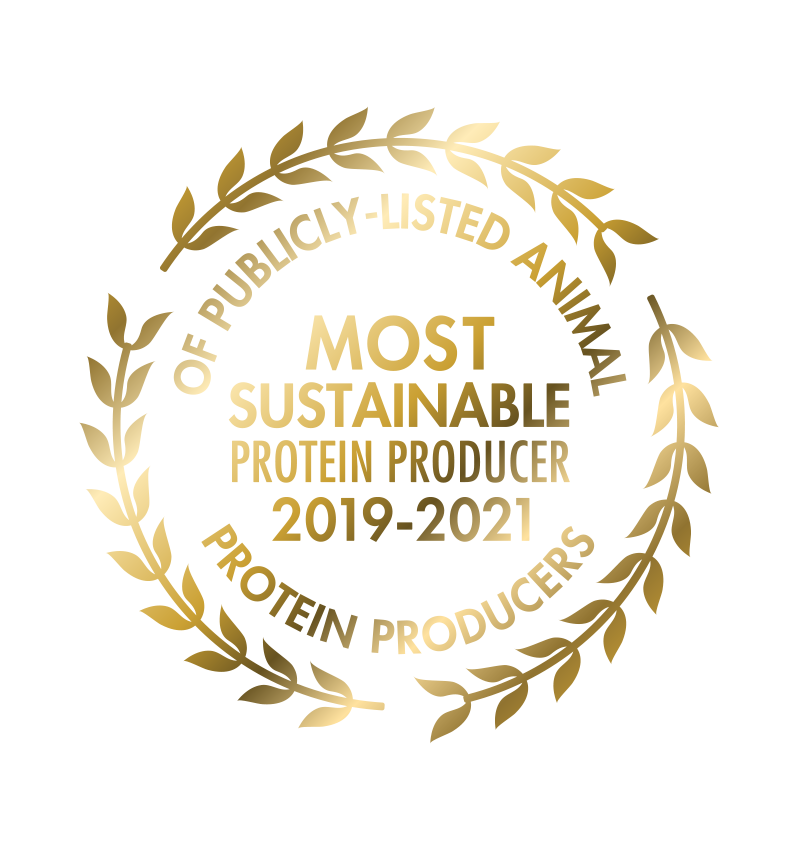
Mowi has been ranked the world’s most sustainable protein producer for the third year running by the prestigious Coller FAIRR index. Every year, the FAIRR (Farm Animal Investment Risk & Return) initiative releases the world’s only assessment of major meat, dairy and farmed fish producers on material ESG (Environmental Social & Governance) risks.
Overall, Mowi scored 81 out of 100 and is rated ‘Industry Best’ against many of the criteria which are aligned to the Sustainable Development Goals. They include greenhouse gas emissions, deforestation and biodiversity, use of antibiotics, animal welfare, working conditions, food safety and governance.
Outperforming 59 of the world’s largest protein producers is a phenomenal achievement, especially over three years, and a testament to our industry-leading sustainability strategy. But, we never rest on our laurels. Our lead has been hard-won and driven by a passion to do things better for our fish, our people and our planet. Continual improvement is what got us to number one and it is what will keep us there.
When it comes to sustainability, our size is our strength
As the world’s largest and most dynamic salmon producer, we drive change and spearhead sustainability initiatives across the whole industry. Our ability to benchmark sustainability criteria for feed ingredients and set a new global standard is a case in point.
Our research and development team is, far and away, the largest in our sector and their innovations and initiatives are showing the way to greater sustainability for aquaculture businesses right across the planet.
Our total commitment to sustainability is reflected by the fact that we are the only salmon producer in the world with a dedicated Chief Sustainability Officer.
How we are driving up standards for the whole industry
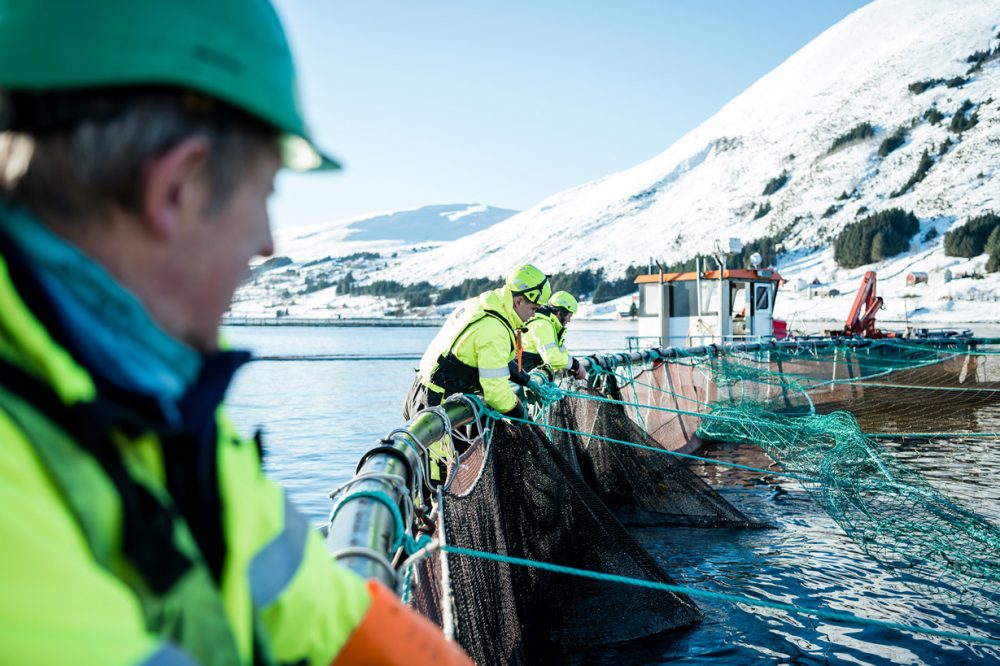
Mowi was instrumental in setting up the Aquaculture Stewardship Council (ASC) standards. We recognised that, for aquaculture to have a sustainable future in a world under increasing pressure, our sustainability standards had to be peerless. Our industry specialists and scientists work closely with NGOs and conservation groups to lay out detailed criteria for best practice and the processes required to achieve ASC certification.
We take a similarly active role in a wide range of organisations dedicated to improving the sustainability of aquaculture and the blue revolution including the Global Sustainable Seafood Initiative (GSSI) and SeaBOS – a unique collaboration of scientists and the world’s largest seafood companies across the wild capture, aquaculture and feed production sectors – leading a global transformation to more sustainable seafood production and a healthy ocean. We also sit on the High-Level Panel for a Sustainable Ocean Economy.
All these organisations have the power to drive policy, influence behaviour and protect the planet’s largest, most precious and sensitive resource – its oceans.
Blue Foods set new standards in sustainability. We set new standards in Blue Foods
70% of our planet is covered with water. It is the richest source of nutrients we have, and our future as a species, depends on using it carefully and wisely.
The Blue Food Assessment (BFA) brings together over 100 scientists from more than 25 institutions around the world. As such, it is a credible, independent source and it has confirmed that Blue Foods are an essential part of a sustainable global food system.
The BFA consists of 9 scientific papers addressing key issues, including climate change, nutrition, environmental performance, and demand. As part of their work, BFA researchers have assembled the world’s most extensive database on the nutritional qualities of Blue Foods.
As a global leader in sustainable Blue Food production, Mowi welcomes the results of the assessment. It sets a benchmark for environmental performance and empowers increasingly sustainable Blue Food production.
The BFA revealed that Blue Foods are even higher in essential nutrients than previous estimates suggested, and that an 8% increase in seafood supply by 2030 would avert 160 million cases of nutrient deficiency. While Blue Foods, as a whole, were found to have better environmental performances than land-based animal proteins, salmon leaped out as one of the leading performers. It has lower GHG emissions, freshwater and land use than chicken – the most sustainable land-based meat.
Small wonder that global demand for Blue Foods has doubled in the past 20 years and is forecast to double again by 2050. As the world’s leading salmon producer, we have a vital role to play in meeting that demand.
Setting a more scientific standard for our carbon footprint
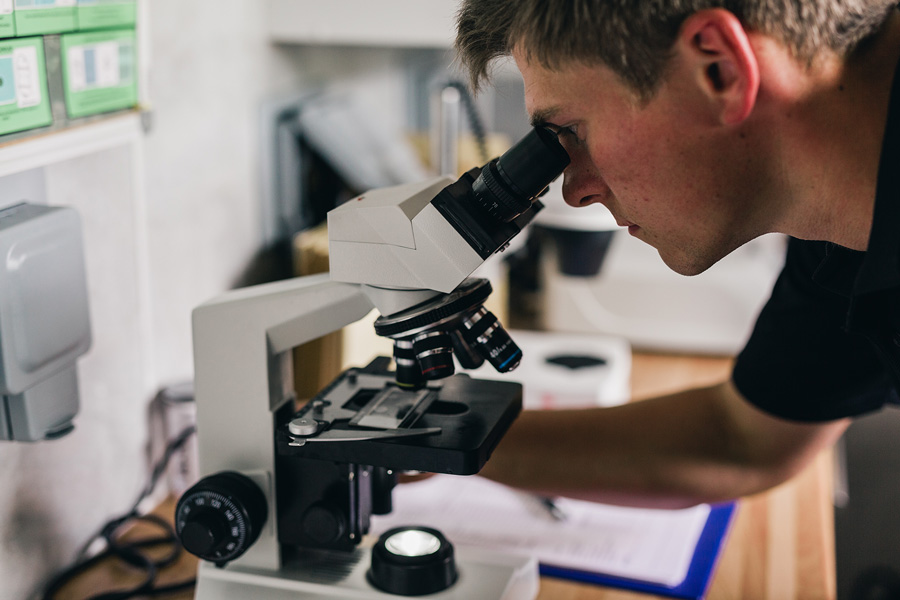
Lots of companies claim to be achieving carbon neutrality by doing what they feel will be enough and offsetting to make up the difference. We don’t believe you can buy your way out of trouble, so we are taking a more science-based approach. We analyse all our activities against the Paris Agreement on climate change goals and assess the likely future impacts of our activities. We believe this is the only way to achieve the genuine long-term sustainability needed to protect the planet we all depend on.
Closing all our loops to create a circular economy
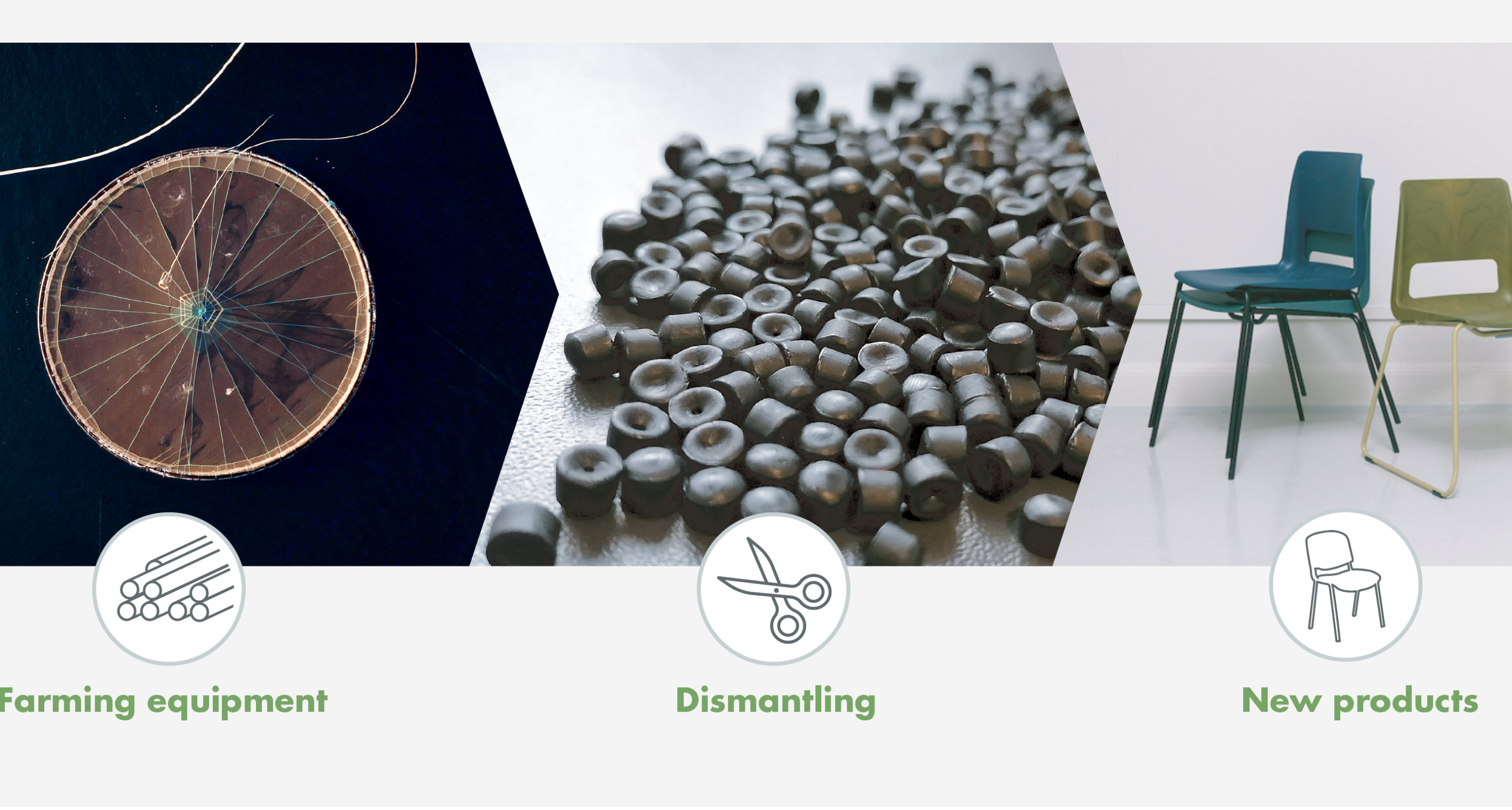
It is now clear that a circular economy is the only one that will work for the planet. Nothing should be used unless you have a clear route to recycle or reuse it at the end of its life. We are applying circular economy principles to everything we do from the plastics we use on farms, to transportation containers and consumer packaging.
We’re already recycling or reusing most of the plastics we use on our farms. We continue our recycling program of farming equipment (our initial scope until 2023 is on nets and feeding pipes). In 2021, our farming units recycled or reused 1970 tonnes of nets and feeding pipes, representing 88% (85% in 2020) of our total
farming equipment waste. The recycling process includes reconversion of the netting into new polyamide filament, which in turn can be used in a variety of applications, such as in the manufacture of swimwear or carpet yarn. 88% of farming equipment recycled. 74% of plastic packging is recycable with 12% recycled plastic content. Expanded polystyrene boxes reaching their end of life in our processing facilities are all recycled into insulation building materials.
Achieving that level of recycling in a wider world is more of a challenge, but it is one we have embraced setting ourselves a goal of using 100% recyclable, reusable or compostable packaging by 2025. Switching to mono-materials which only feature one type of plastic can have a huge bearing on recyclability and we are actively changing our packaging in this way. An initiative in Poland switching sushi trays to mono-PET meant 300 tonnes more could be recycled.
In Belgium, a switch from multilayer PET/PE to mono-PET trays meant 19 more tonnes of plastic can now be recycled. And simply switching from blue to transparent trays, allowed us to ensure that a further 163 tonnes of plastic was fully recyclable. We are actively rolling out similar initiatives around the world to improve recycling rates and we are exploring biodegradable packaging options for the future.
Plastic is not the only loop that must be closed in a circular economy. Organic waste streams also have a clear route back into productive use. The fish trimmings coming from our processing facilities are also a valuable resource and, to ensure they are used in the most sustainable way possible, they are processed into either food products such as salmon burgers, or into fish oil and fishmeal to be used in other areas of aquaculture. Using them as other species’ feed raw materials helps to mitigate the impact of the forage fish going into our own feed.
Lightening our local footprint
Many of our sites are in stunning, unspoilt parts of the world and we always do our utmost to ensure that our impact on these precious ecosystems is as minimal as possible. In the past aquaculture has been criticised for its impact on the benthic zone – effectively the sedimentary layer on the seabed. This area is critical to maintaining balance and biodiversity in local ecosystems, so we take great care to ensure that our activities have as little impact as possible. We undertake regular benthic surveys at all our sites to identify any issues that may arise so we can react quickly to address them by repositioning pens, decreasing production or increasing fallow periods to minimise our impact on the seabed.
Several of our sites are located close to protected areas or highly sensitive areas of biodiversity. One site, in Norway, is in a National Preservation fjord for wild Atlantic salmon and two sites are in landscape conservation areas. Meeting the very highest standards here, sets the bar for what we want to achieve in all our operations. 93% of Mowi’s sites around the worlds are now classified as either “good” or “very good” according to the national seabed quality standards. Using the knowledge and insights from our best performing sites, our goal is to bring 100% of our sites up to the same high standards.
Gathering a deeper understanding of our impact on biodiversity
In 2021 Mowi ran a total of 26 projects aimed at understanding and
minimizing our potential impact on biodiversity.
In Norway, we continued our collaboration with Marin Overvåkning Hordaland and Rogaland in region South, aiming to monitor potential effects of fish farming operations on nutrient levels and macroalgae in these two counties.
In Norway North, we continued to support a study of migration patterns of wild trout and salmon smolts.
In this region we also participated in a project aiming to strengthen local conservation of salmonid waterways in the county of Nordland.
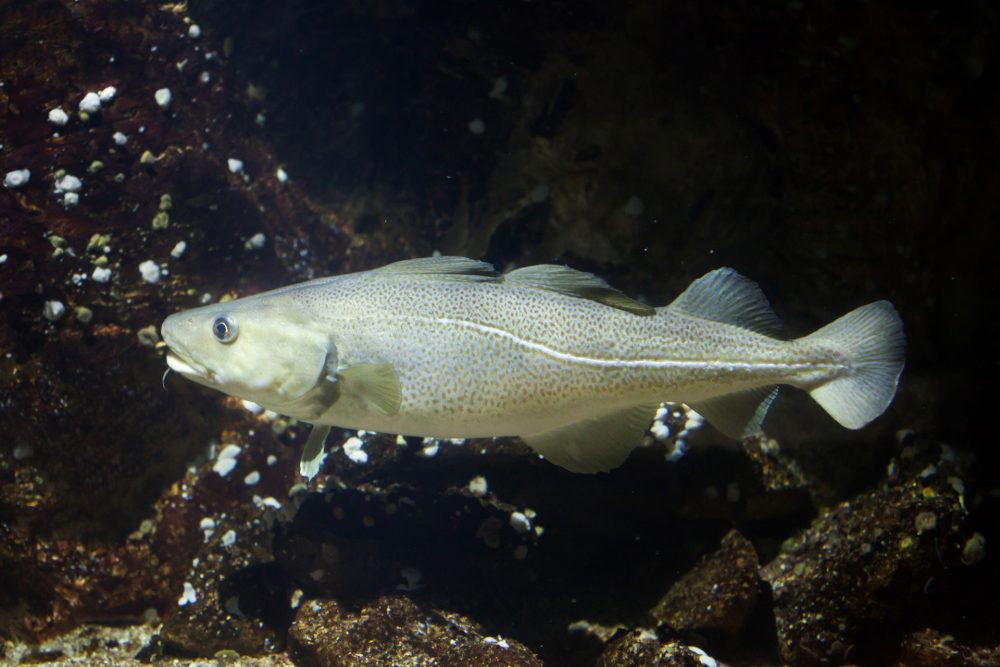
Mowi Mid continued to contribute to ongoing research on the reproductive success of wild Atlantic cod and a further project investigating sea lice infestation and dispersal.
Targeting zero fish escapes
No escape is great. Critics of our industry blame farmed salmon escapes for reductions in wild salmon populations. And, of course, every escape is an economic loss to our business.
Consequently, we have gone to extraordinary lengths to develop a zero-tolerance approach to salmon escapes. That means monitoring every escape (even if it is just one salmon), assessing the cause, and ensuring that we do everything possible to avoid it happening again.
The results of our approach have been spectacular. Escape levels from Mowi farms are now the lowest in the industry. Just 0.09% of our salmon escaped into the sea in 2020.
The majority of salmon escapes are the result of human error. Therefore, core to our strategy is a detailed training regime so everyone working on our farms knows how to minimise the risk of escape. Our global training programme guarantees high standards at all our farms with formal tests and certification.
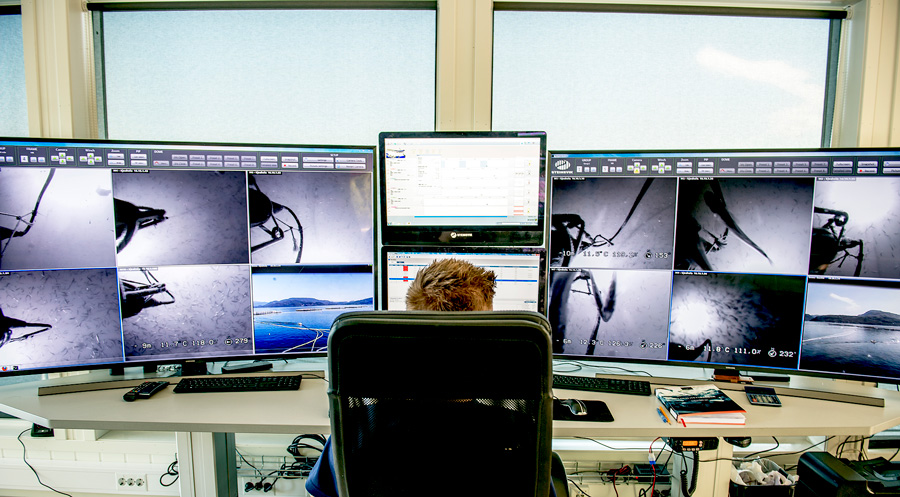
One issue affecting escapes is damage to nets and we now use secondary nets to ensure that, if one fails, the fish will still be contained. We also use remotely operated underwater vehicles to routinely check nets for damage. And because we discovered that cleaning was causing damage to nets, we have implemented gentler cleaning regimes and specified more robust nets.
Extreme weather has been a major factor in many serious escapes. While we can’t change the weather, we have taken several initiatives to make our farms more resilient and actively model new anchoring systems and more robust nets to ensure they will handle everything the sea can throw at them.