Creating salmon you can enjoy with a clear conscience
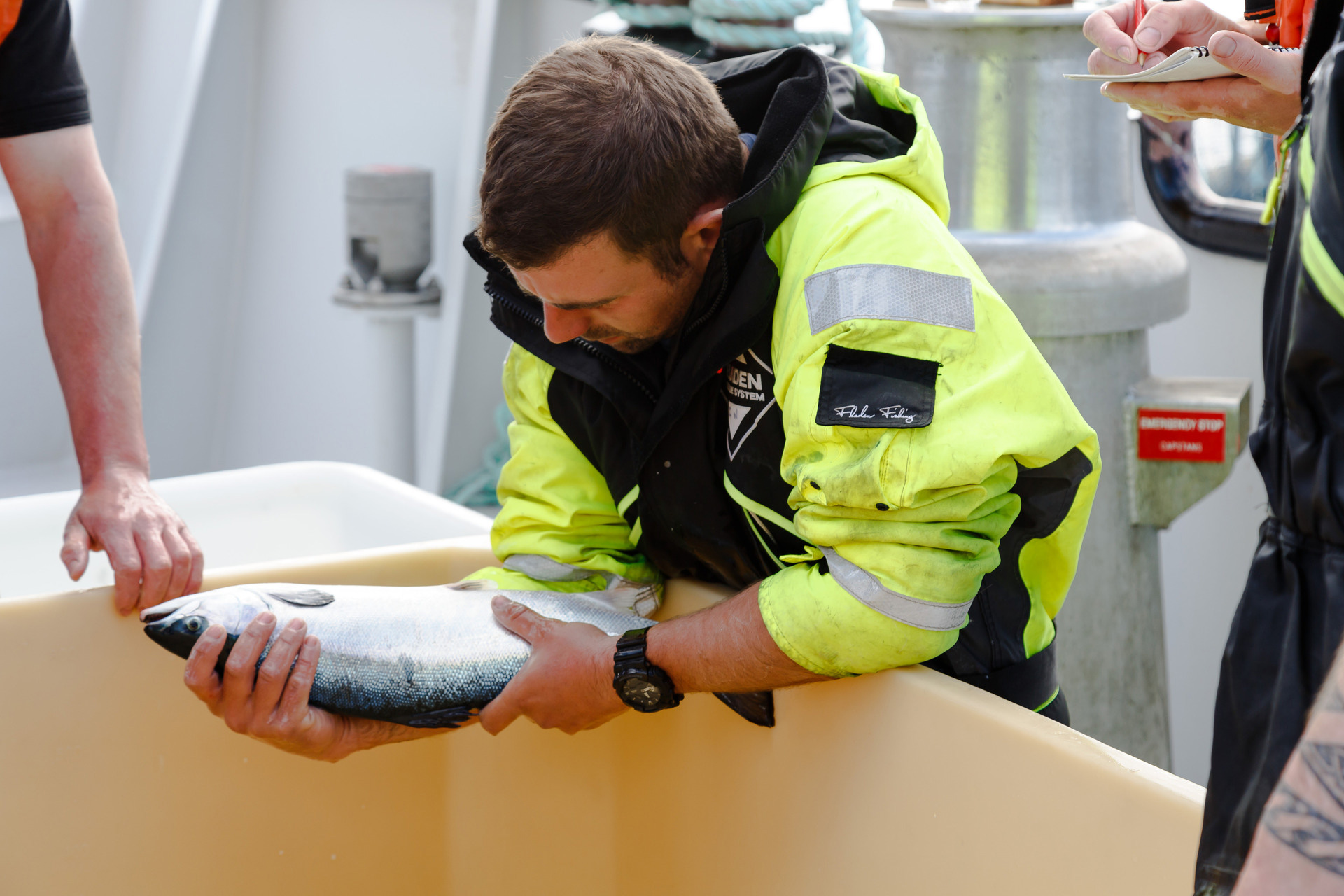
We work in some of the most unspoilt, natural parts of our planet. That means we farm closer to nature than most land-based food producers. We want our salmon to live as close to a natural life as possible, so we set the highest standards in the amount of space they enjoy. Our average density rates mean that our farms are 99% water and just 1% salmon. We actively embrace the Five Freedoms for animal welfare, in line with the World Organisation for Animal Health (OIE) definitions and their Aquatic Animal Health Codes.
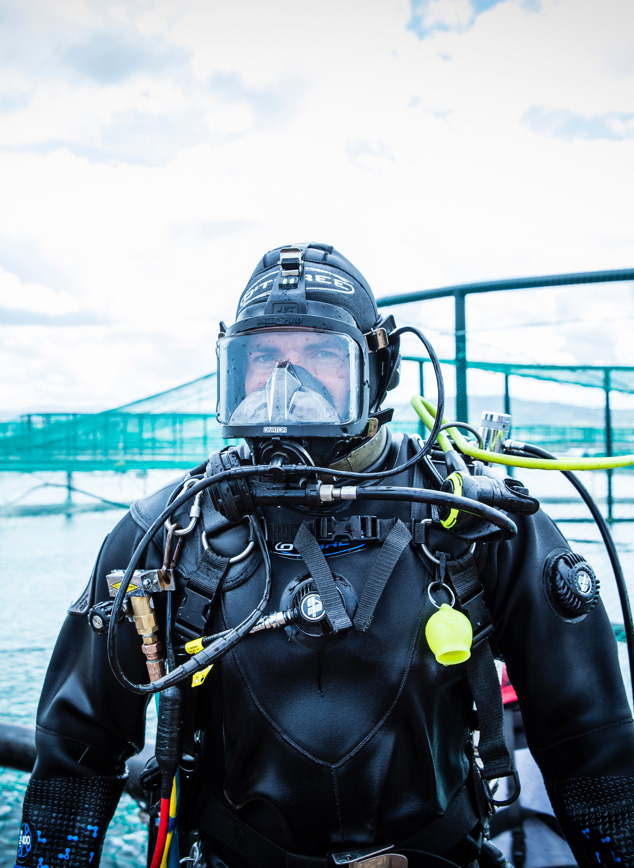
We are devoted to setting the very highest standards of fish welfare. That means timely disease prevention and veterinary treatment, careful management, high quality nutrition, minimal handling and humane slaughter.
Our industry-leading approach to animal welfare has earned us third party seafood certification from schemes such as ASC, GG and BAP but our goal is always to surpass the welfare requirements and work towards a higher standard. We’re actively involved in setting these standards and our experts and scientists work in close partnership with NGOs to establish and refine best practice and improve fish welfare throughout the industry.
Our commitment to find natural solutions to improve salmon health and welfare is second to none. We have pioneered a raft of new measures to tackle persistent problems with sea lice. Using innovative techniques, selective breeding, vaccination and improved husbandry, we have dramatically reduced the need for chemical and anti-microbial treatments. Our example is demonstrating that by adopting the very highest standards, our industry can completely eliminate the need for drug treatments.
So, every piece of Mowi salmon can be enjoyed with the reassurance that it has enjoyed the highest possible standards of health in a clean, safe environment.
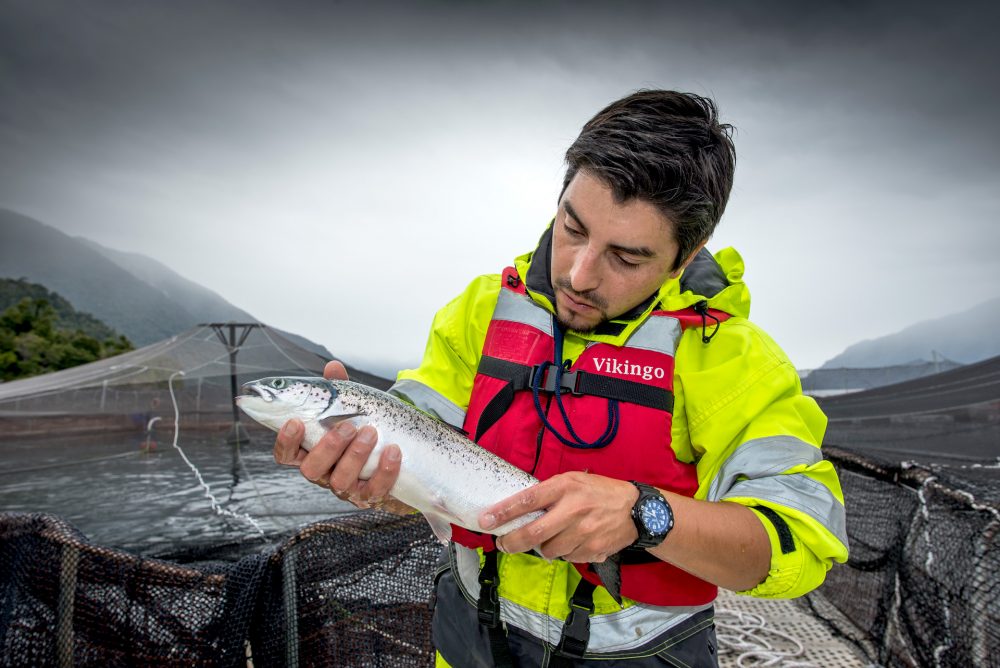
We believe the quality of our food mirrors the quality of life our fish enjoy
The five freedoms are the cornerstones of happier, healthier salmon. They are:
- Freedom from hunger by ready access to a diet to maintain full health and vigour
- Freedom from discomfort by providing an appropriate environment
- Freedom from pain, injury or disease by prevention or rapid diagnosis and treatment
- Freedom to express normal behaviour by providing sufficient space, proper facilities and company of the animal’s own kind
- Freedom from fear and distress by ensuring conditions and treatment which avoid mental suffering
These apply to fish just as they do to farmed animals on land. The freedoms are regulated under recognised standards and certifications such as The Royal Society for the Prevention of Cruelty to Animals (RSPCA), Global GAP, ASC and the OIE whose Aquatic Animal Health Code details the standards required for salmon and other farmed fish.
We don’t just set our own standards we’re helping to set the world’s
Our teams were deeply involved in the creation of the Aquaculture Stewardship Council (ASC). We recognised the importance of raising standards, not just for ourselves but for aquaculture globally. All of our oceans are joined up so we must have a joined-up approach to preserve and enhance the world’s largest and most precious resource. We work in close partnership with the ASC. Our experts and scientists play key roles in Technical Working Groups and Ad-hoc advisory groups working alongside NGOs to set and improve standards for the world’s aquaculture businesses.
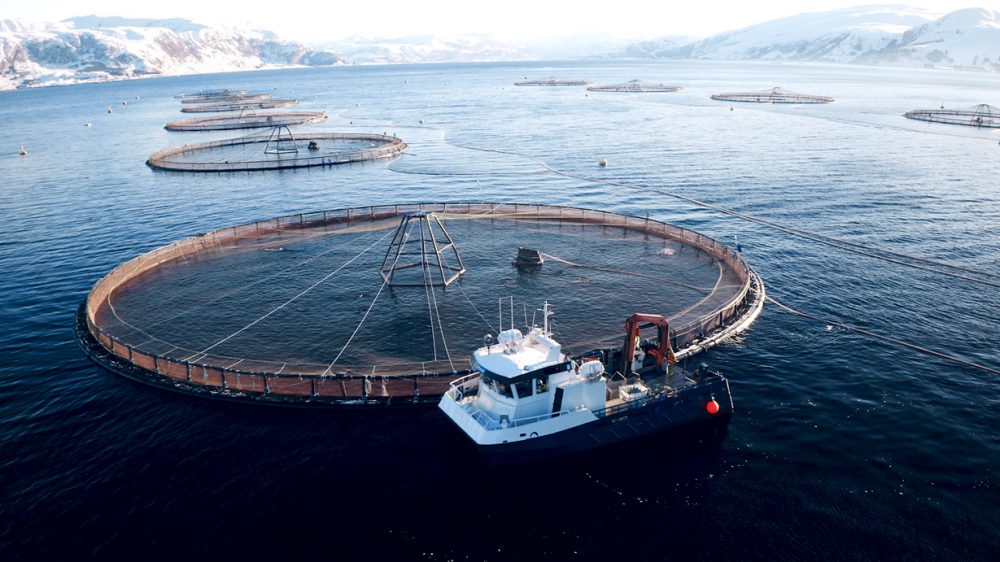
Choosing the healthiest locations for our salmon
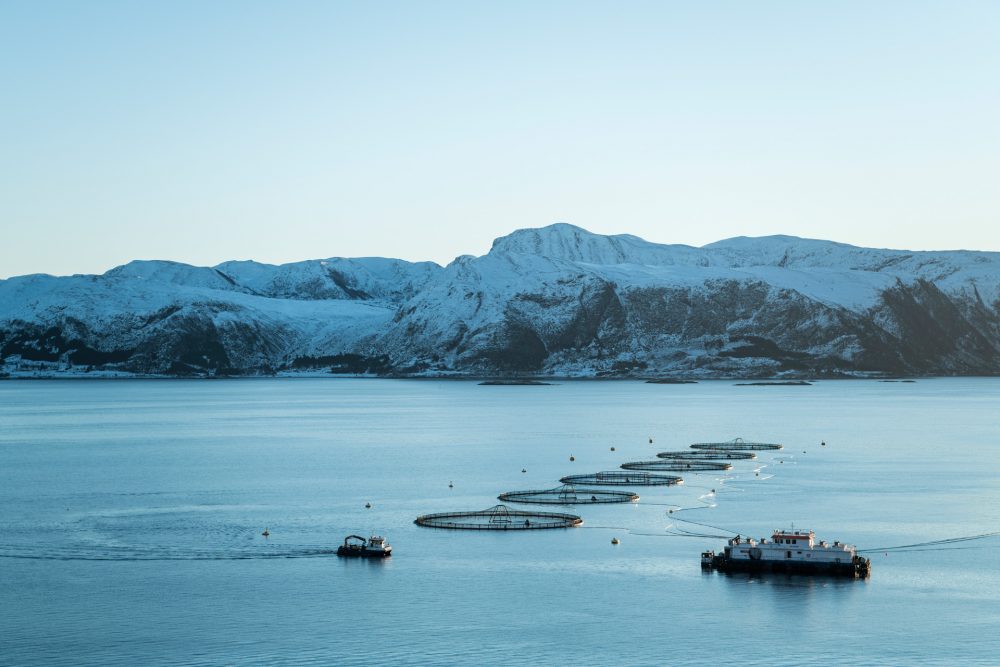
Ocean farming in carefully selected locations allows us to rear salmon under conditions that satisfy their biological needs, including clean water, space and food, and we ensure they obtain all necessary nutrients for good health throughout their lives. Sites for our farms have all been carefully researched to ensure the offer optimal water quality, oxygen levels and water temperatures. Our fish are stocked at low densities, with just 3% fish and 97% water. This benefits their welfare and enhances their development and performance to ensure that our salmon products set exceptional standards of quality, taste and health.
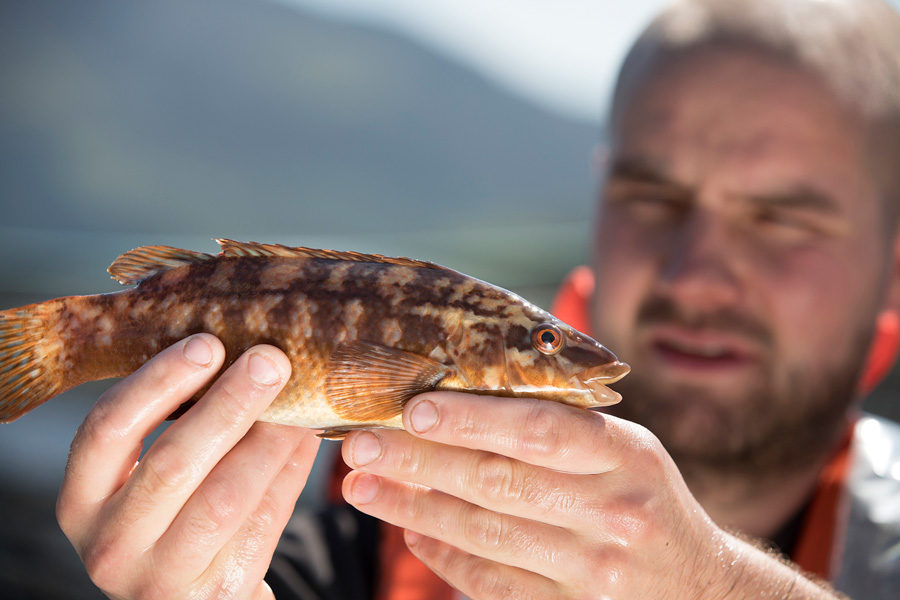
Finding natural solutions to sea lice
Sea lice are a natural phenomenon, affecting most species of wild fish. The reason they are such a threat to farmed salmon is that they tend to thrive in aquacultural situations where they find an abundance of hosts. Historically, chemical treatments were used to treat infestations. This was neither ideal for the salmon or the environment and ultimately the sea lice were evolving resistance to the treatments.
We set out to manage sea lice more intelligently, using novel, natural tools and reducing the need for pharmaceutical treatments. By deploying a suite of different solutions in conjunction with improved fish monitoring, we are better able to minimise lice numbers in line with limits on the number of lice per fish, permitted by relevant authorities. It is an ongoing process and we are continuously improving our management techniques and sharing best sea lice practices between operations to enhance our understanding and effectiveness.
Our R&D teams have devoted extensive resources to find highly innovative and non-medicinal lice-control techniques. We pioneered the use of cleaner fish, innovative pen designs as well as thermal and freshwater treatments. We are fine tuning these to ensure they have minimal impact on the salmon and maximum impact on the lice.
Cleaner fish are proving extremely effective at reducing sea lice numbers and they live quite happily alongside the salmon in a mutually beneficial arrangement . Ballan wrasse were the first species to be used as cleaners but now lumpfish are also being widely deployed. They can eat vast numbers of sea lice, with one trial seeing them reduce adult female sea lice numbers by 97% within two months.
Initially cleaner fish were introduced from wild populations but we are now farming them and will be fully self-sufficient by 2022. This ensures that we are not affecting wild populations and that the cleaner fish we introduce to our farms are free from disease or parasites.
Our cleaner fish are extremely important to us, so we take their welfare very seriously. We continually monitor their performance and behaviour so we can improve their environment and maximise survival rates.
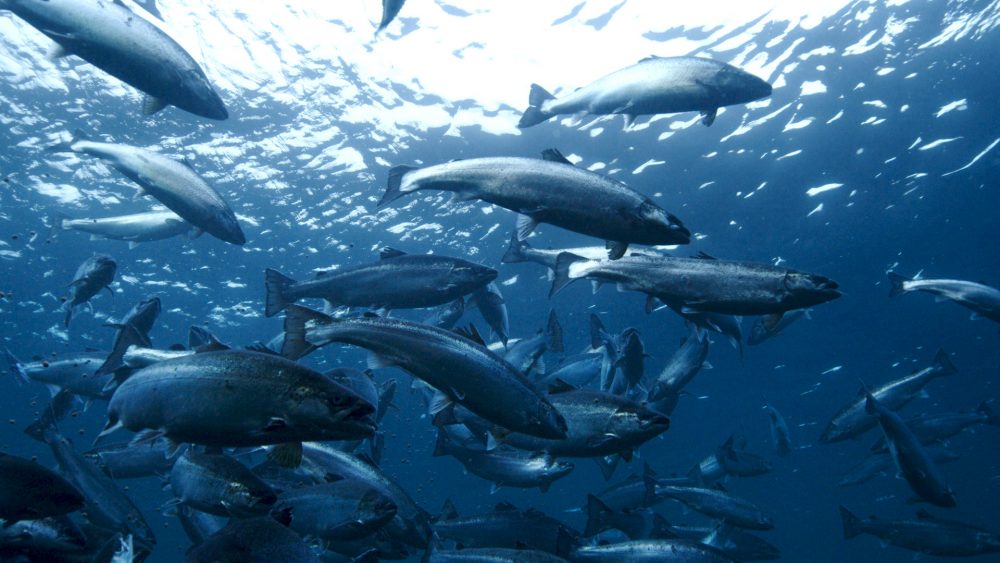
Vaccinations combined with exceptional husbandry and hygiene standards can remove the need for antibiotics
Long term, overuse of antibiotics is a threat to both human and animal health. Their widespread use in agriculture, as both a prophylactic and growth inhibitor, has resulted in the development of more resistant pathogens and fewer and fewer effective drugs to combat bacterial infections in both humans and animals.
Because of this, the World Health Organisation (WHO) has created guidelines on the use of medically important antimicrobials in food-producing animals. We accept their recommendations and are committed to go even further. We aren’t just avoiding the use of antimicrobial treatments wherever possible but, ultimately, our goal is to eliminate the need for antimicrobial drugs altogether.
We are demonstrating that a combination of vaccinations, healthier breeding and scrupulous husbandry can create a world where antimicrobial treatments can vitually be dispensed with. Our farms in Norway are already completely free of antibiotics. And our farms around the world will only intervene with antimicrobial treatments on veterinary advice to protect fish from pain and injury. Any medicines we do use are applied responsibly and we ensure that the fish are residue-free before harvest.
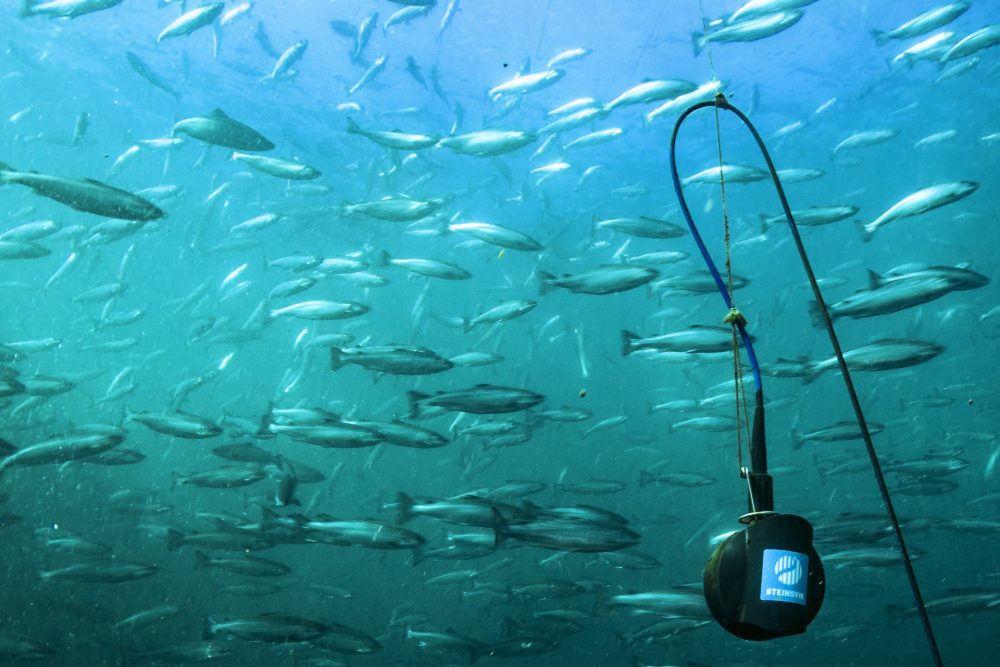
We don’t just set our own standards we’re helping to set the world’s
Our teams were deeply involved in the creation of the Aquaculture Stewardship Council (ASC). We recognised the importance of raising standards, not just for ourselves but for aquaculture globally. All of our oceans are joined up so we must have a joined-up approach to preserve and enhance the world’s largest and most precious resource. We work in close partnership with the ASC. Our experts and scientists play key roles in Technical Working Groups and Ad-hoc advisory groups working alongside NGOs to set and improve standards for the world’s aquaculture businesses.