Working in harmony with the sea
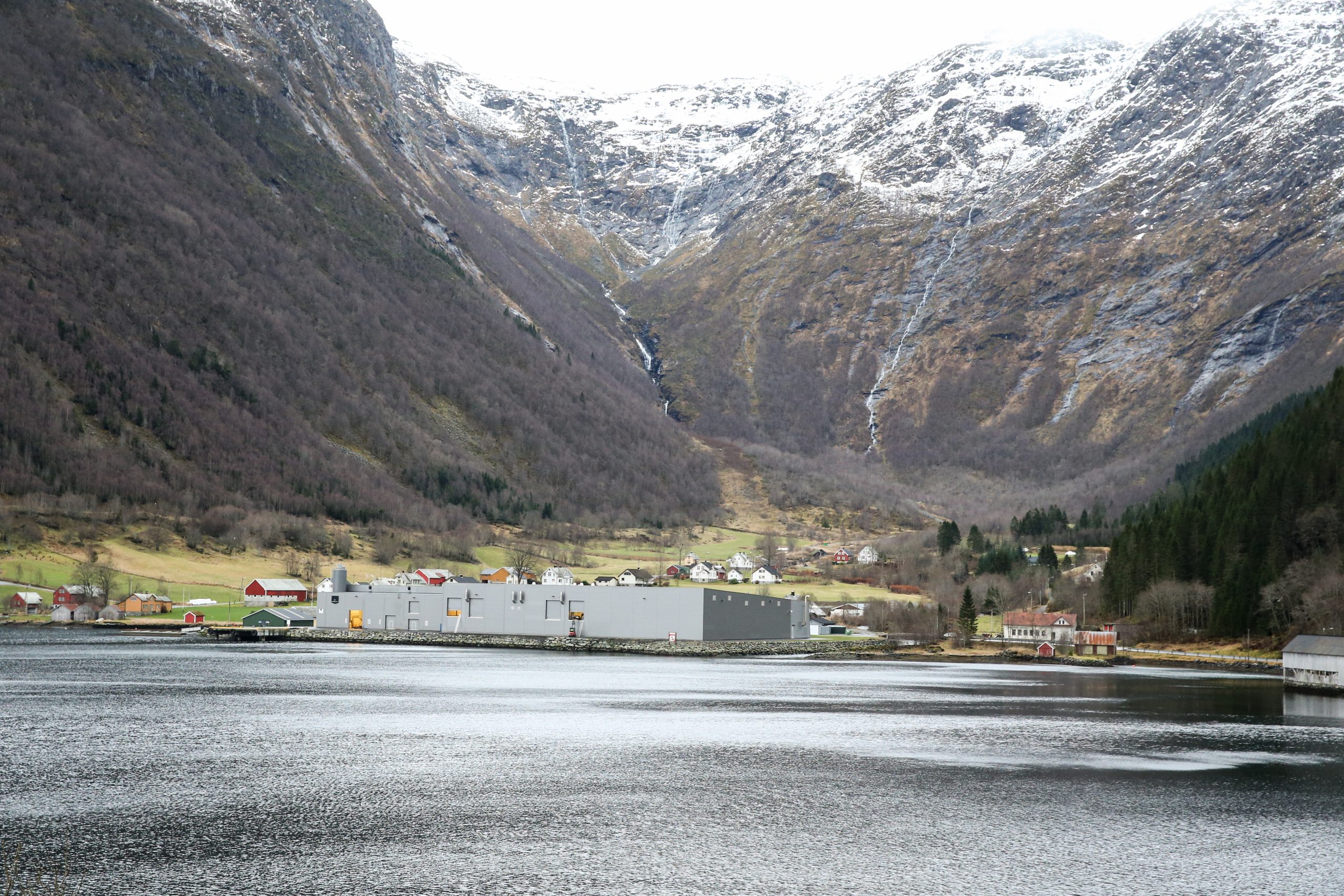
We work in some of the most unspoilt, natural parts of the world. That means we farm closer to nature than most land-based food producers. As a result, our stewardship extends beyond the animals in our care, to all the life forms that inhabit the ecosystems around us.
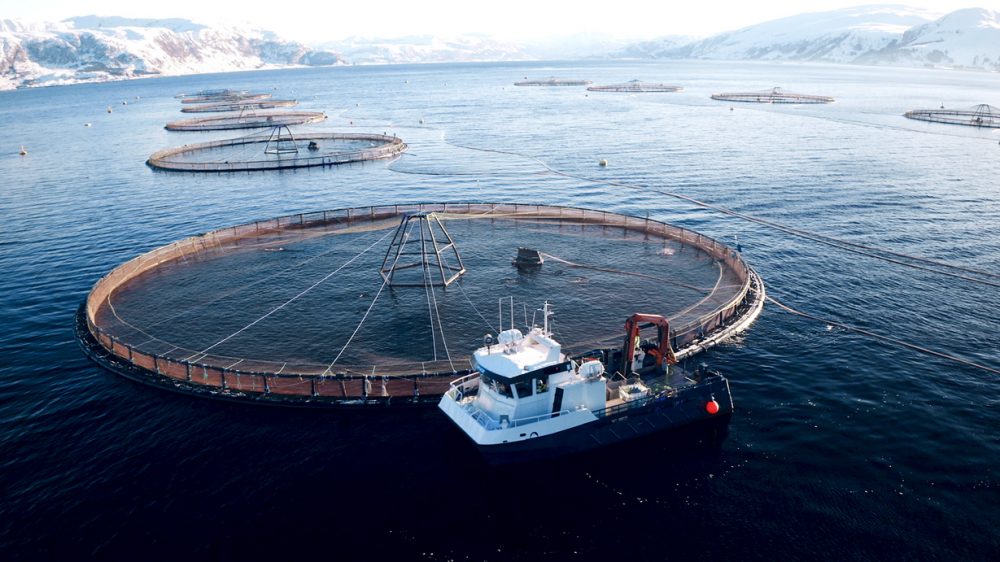
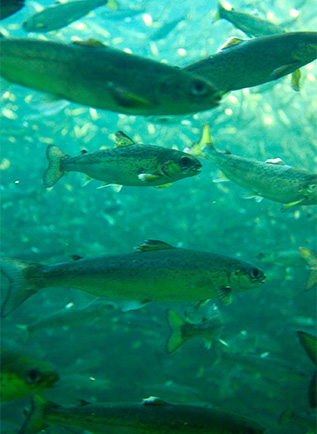
We want our salmon to live as healthy a life as possible, so we set the highest standards in the amount of space they enjoy. Our density rates mean that on average our farms are 99% water and just 1% salmon. Our industry-leading approach to care for our salmon, our planet and people has earned us third-party seafood certification from schemes such as Aquaculture Stewardship Council (ASC), Global Good Agricultural Practices (GLOBALG.A.P.) and Best Aquaculture Practices (BAP). However, our goal is always to surpass the welfare requirements and work towards a higher standard.
We are also deeply conscious of our precious, natural surroundings and the marine life that inhabits it. That’s why we have a zero-tolerance approach to escapes and minimise any organic waste emanating from our farms. We actively explore innovative ways to ensure that the care we provide our salmon has the lightest possible local footprint and minimal impact on the surrounding ecosystems.
Choosing the healthiest locations for our salmon
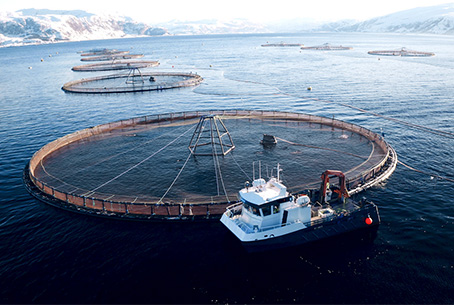
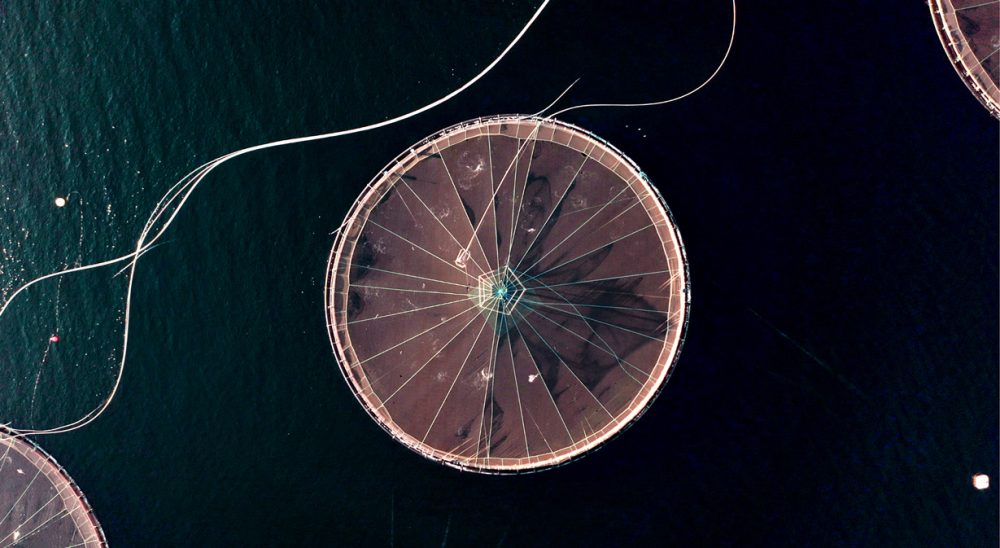
Ocean farming in carefully selected locations allows us to rear salmon under conditions that satisfy their biological needs, including clean water, space and feed, and we ensure they obtain all the necessary nutrients for good health throughout their lives. Sites for our farms have all been carefully researched to ensure they offer optimal water quality, oxygen levels and water temperatures. Our fish are stocked at low densities, with on average just 1% fish and 99% water. This benefits their welfare and enhances their development and performance to ensure that our salmon products set exceptional standards of quality, taste and health.
Ensuring the seabed is as healthy as our salmon
The effect aquaculture has on the seabed around it is known as the “Benthic Impact” and we go to great lengths to ensure our impact is as minimal as possible.
We run mandatory national surveys which measure the organic impact of our farming operations on the seabed. These demonstrate that, on average, 95% of our sea sites surveyed in 2021 have a minimal impact on faunal communities and/or sediment chemistry near to the fish pens. In Norway as well as Canada West 100% of our sites were classified as very good or good. On the rare occasions when the impact on the seabed is considered unsatisfactory, we take rapid corrective action. This may include stopping or reducing production, repositioning the pens and/or increasing the fallow period, when we give the seabed time to recover from organic loading between production cycles.
Understanding where environmental impacts can occur has always been critical to our industry. Environmental modelling is a key tool in assessing the sustainability of our farming locations so we prioritise using the most advanced and reliable models and technologies, such as eDNA metabarcoding, to set new standards of accuracy. We are also pioneering near-real-time monitoring to drive up the standards of seabed health.
Finding natural solutions to sea lice
Sea lice are a natural phenomenon, occurring in most species of wild fish. The reason they are such a threat to farmed salmon is that they tend to thrive in aquacultural situations where they find an abundance of hosts. Historically, chemical treatments were used to treat infestations. This was neither ideal for the salmon nor for the environment and ultimately, the sea lice were evolving resistance to the treatments.
We set out to manage sea lice more intelligently, using novel, natural tools and reducing the need for pharmaceutical treatments. By deploying a suite of different solutions in conjunction with improved fish monitoring, we are better able to minimise lice numbers in line with, or below, limits on the number of lice per fish, permitted by relevant authorities. It is an ongoing process, and we are continuously improving our management techniques and sharing best sea lice practices between operations to enhance our understanding and effectiveness.
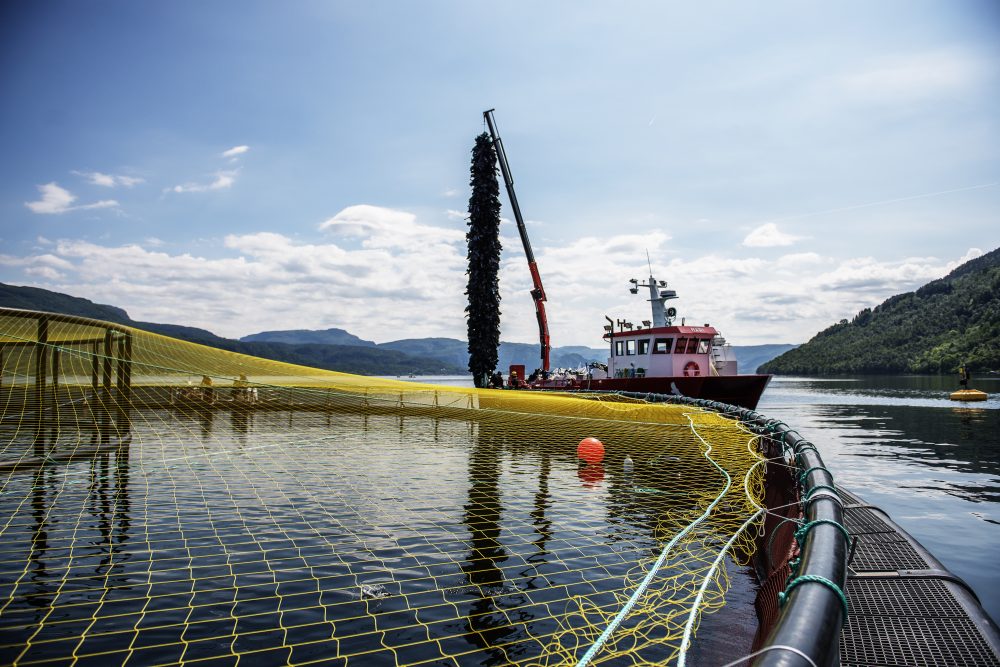
Our R&D teams have devoted extensive resources to find highly innovative,and non-medicinal, lice-control techniques. We pioneered the use of cleaner fish, innovative pen designs as well as thermal and freshwater treatments. We are fine-tuning these to ensure they have minimal impact on the salmon and maximum impact on the lice.
Cleaner fish are proving extremely effective at reducing sea lice numbers and they live quite happily alongside the salmon in a mutually beneficial arrangement. Ballan wrasse were the first species to be used as cleaners but now lumpfish are also being widely deployed. They can eat vast numbers of sea lice, with one trial seeing them reduce adult female sea lice numbers by 97% within two months.
Initially cleaner fish were introduced from wild populations, but we are now farming them and will only use farmed cleaner fish by 2022 . This ensures that we are not affecting wild populations and that the cleaner fish we introduce to our farms are free from disease or parasites.
Our cleaner fish are extremely important to us, so we take their welfare very seriously. We continually monitor their performance and behaviour so we can improve their environment and maximise survival rates. Wherever cleaner fish are deployed on our farms, we provide special, hides in 100% of the pens. These mimic kelp forests to allow both cleaner fish and salmon to shelter, express natural behaviour and also to create a positive affective state.
Hides provide protection, a resting place and access to good water quality. They are designed to be stable, easily cleaned and provide the least possible risk of escapes, and ensure cleaner fish efficiency. The number, size and positioning of hides is adjusted to cleaner fish needs.
Exceptional husbandry combined with vaccinations can remove the need for antibiotics
Long term, overuse of antibiotics is a threat to both human and animal health. Their widespread use in agriculture, as both a prophylactic and for growth promotion, has resulted in the development of more resistant pathogens and fewer and fewer effective medicinal drugs to combat bacterial infections in both humans and animals.
Because of this, the World Health Organisation (WHO) has created guidelines on the use of medically important antimicrobials in food-producing animals. We accept their recommendations and are committed to go even further. We aren’t just avoiding the use of antimicrobial treatments wherever possible but, ultimately, our goal is to eliminate the need for antimicrobial drugs altogether.
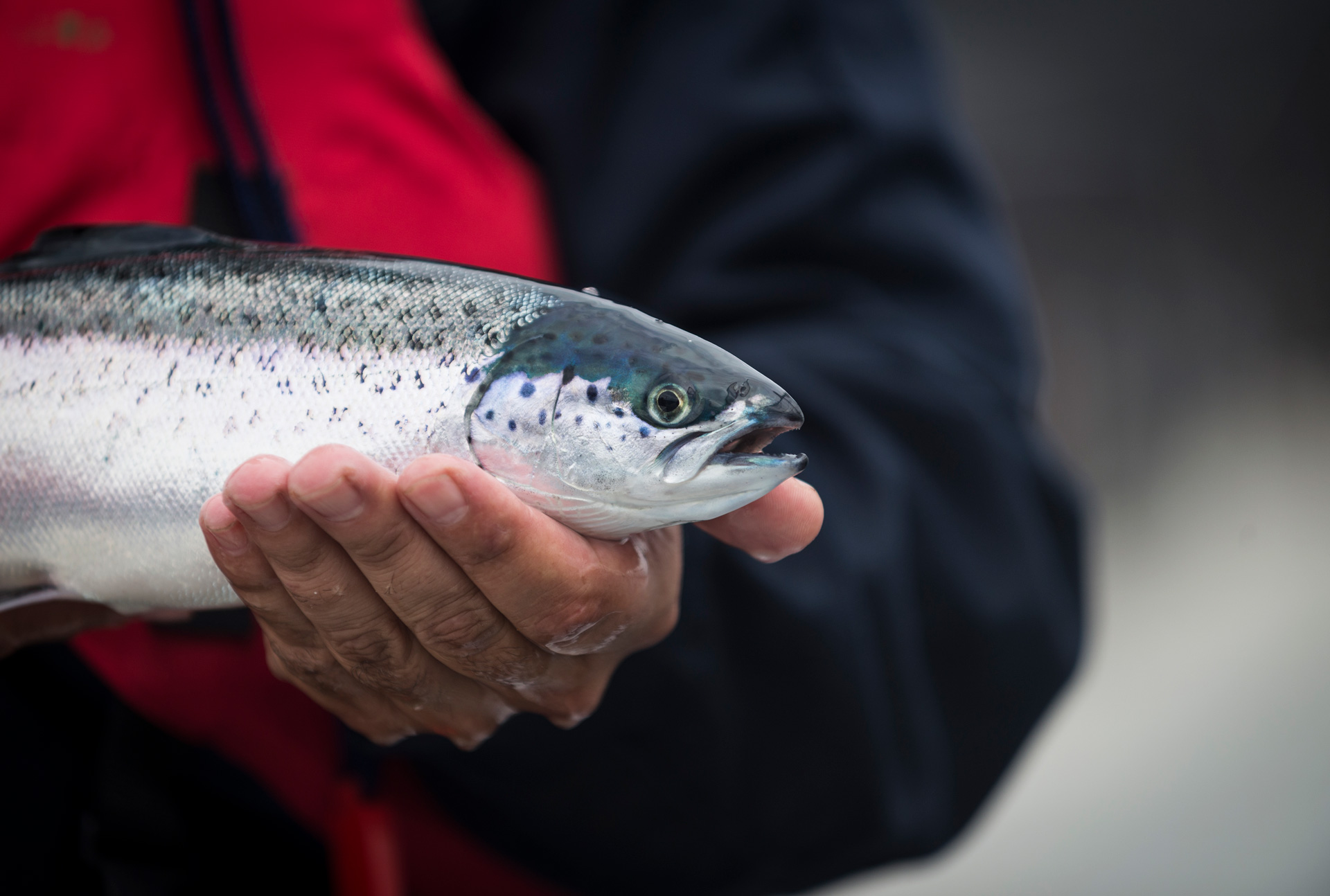
We are demonstrating that a combination of vaccinations, healthier breeding and scrupulous husbandry can create a world where antimicrobial treatments can virtually be dispensed with. Our farms in Norway are already completely free of antibiotics. And the teams working on our farms around the world will only intervene with antimicrobial treatments, on veterinary advice, to protect fish from pain and injury. Any medicines we do use are applied responsibly and we ensure that the fish are residue-free before harvest.
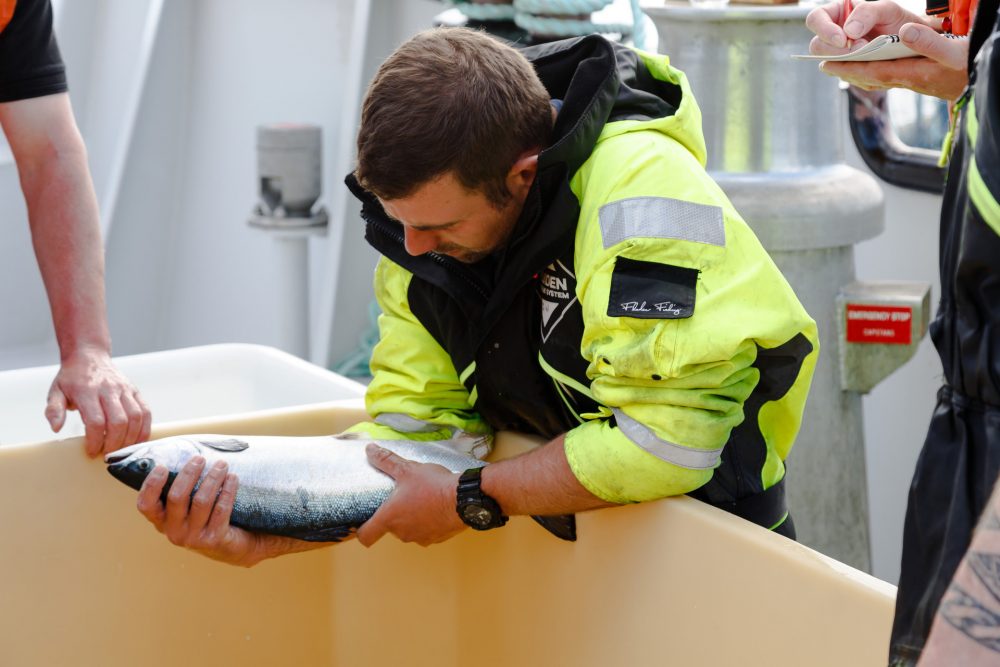
Monitoring the minutiae will deliver massive welfare and health benefits
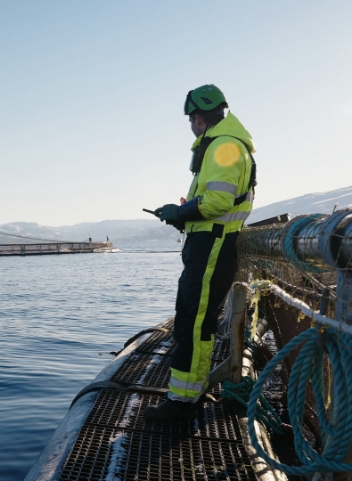
Our roll-out of Mowi 4.0 is deploying unprecedented levels of technology to improve remote monitoring on our farms. Underwater cameras, linked to sophisticated data analysis software, will allow us to assess the health and well-being of every individual fish within the farm. This enables us to care for fish with minimal human intervention, reducing stresses, and helps us to identify problems like sea lice and disease early so they can be addressed faster and more effectively than ever before.
The ongoing implementation of Smart Farming technologies in Mowi Farming is expected to have a positive impact not only on productivity and costs, but also on fish welfare and sustainability. Implementation of “Mowi 4.0 Smart Farming” will enable us to grow fish much more efficiently than today, and in an even more sustainable way. By constantly tracking fish behaviour and fish health, Mowi can further improve its ability to be proactive when it comes to acting on biological issues. The organisation strongly believes Industry 4.0 technologies will offer much clearer scale advantages in the seawater phase than what is seen today.
Digitalisation is viewed as a panacea for the problems of many industries and there is no doubt that it can have a transformative effect on the way we understand salmon and every aspect of their journey down the supply chain.
We are developing something we call Mowi 4.0. It is an integrated, and highly sophisticated, data capture system that can compute detailed information gathered throughout the salmon’s life. From its DNA profile, to its life in the farm to analysis of its flesh during processing to customer feedback about the finished product, we gain a full data picture of each fish.
Data gathered from underwater footage, allows us to monitor the salmon’s health, weight and condition so we can deliver treatments as soon as they are needed, feed precisely the right amounts, and optimise the point at which we harvest. These underwater systems also facilitate remote monitoring of sites meaning less human interaction which, in turn, reduces stress levels in the fish.
Having this joined-up data picture gives us invaluable insights into every aspect of what we do – from the fish we breed, to the feed that performs best, to our production processes. It allows us to fine-tune every aspect of operations to deliver salmon that is healthier and more nutritious, that tastes and looks better, and that has minimal impact on the environment.
Certifications
All our salmon comes from farms which are certified according to GSSI-recognised sustainability standards and all our processing plants have GFSI-recognised certifications.
Third-party certification remains key to our sustainability strategy. 98% of the harvested volume in 2021 was sustainably certified by a Global Sustainable Seafood Initiative (GSSI)-recognised standard: the Aquaculture Stewardship Council (ASC), Best Aquaculture Practices (BAP), or GLOBALG.A.P. We continue our ASC certification efforts. At the end of 2021, Mowi accounted for 26% of all the ASC certified Atlantic salmon sites worldwide, reaffirming that we are the leading producer of ASC certified farm-raised salmon.
We certified a total of 5 new seawater sites in 2021, bringing the cumulative total to 133 sites for Mowi Group. This represents 50% of all our farming facilities (including Canada East). This increase is mainly due to further certification increase in Scotland.
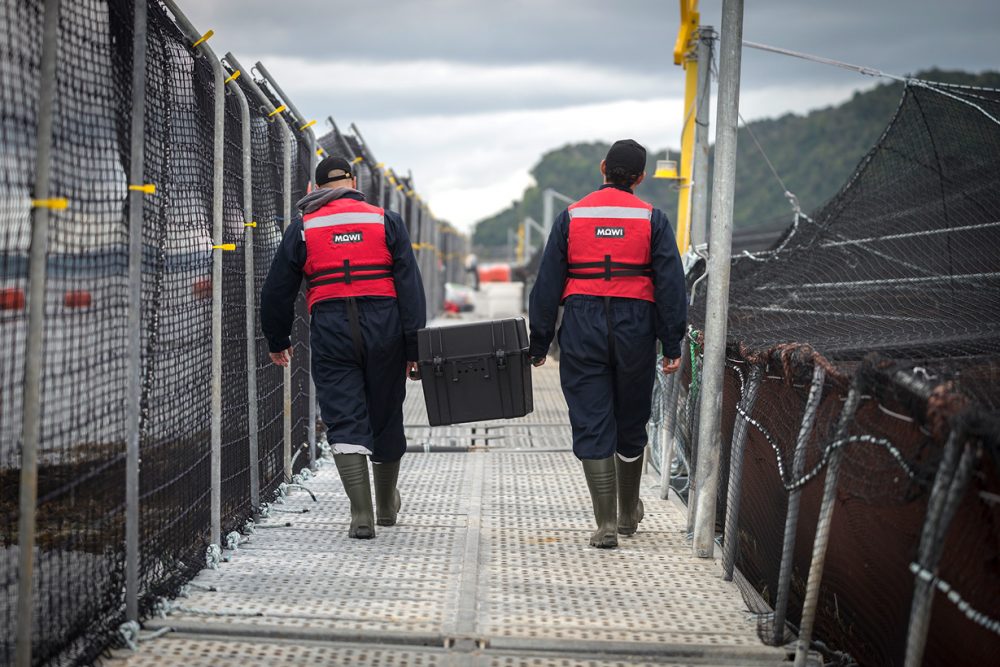
We don’t just set our own standards, we’re helping to set the world’s
Our teams were deeply involved in the creation of the Aquaculture Stewardship Council (ASC) salmon standard. We recognised the importance of raising standards, not just for ourselves but for aquaculture globally. All of our oceans are joined up so we must have a joined-up approach to preserve and enhance the world’s largest and most precious resource. We work in close partnership with the ASC. Our experts and scientists play key roles in Technical Working Groups and ad-hoc advisory groups working alongside NGOs to set and improve standards for the world’s aquaculture practices .