Processing our own salmon guarantees it the respect it deserves
We have always been determined to deliver higher quality standards to our customers. Owning the value chain from beginning to end, allows us to do that better than anyone else in the industry.
Being in total control of our own processing and logistics means we can invest in the most advanced technology to ensure that the salmon we produce sets new standards in freshness and the accuracy with which it is graded.
It also means we can develop new processes that improve sustainability along the full length of the value chain and we can adjust quickly and efficiently to specific requests from customers and adapt rapidly to market changes.

Delivering on freshness
Our regional approach to logistics translates to fresher food and fresh thinking
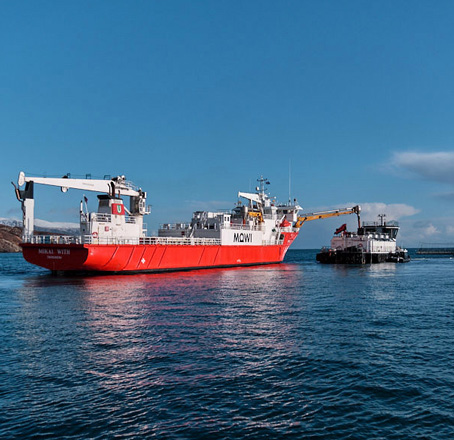
Shorter supply chains are now seen as critical to creating a more sustainable planet, but it is a concept we have embraced for many years. Freshness is everything when it comes to fish, and we have always set the highest standards in getting ours from fjord to fork in the shortest possible time.
Journey times are always minimised, and processing units are located close to points of consumption. This not only guarantees freshness, but also ensures that our food products can be expertly developed, prepared, and packaged to suit the specific consumer demands of that, local, market.

Our policy on standards is simple. Go beyond the standard
While there are varying industry standards around the world, we have decided to set our own minimum requirements. All of our processing facilities must adopt the habitual and systemic food safety culture advocated by the Global Food Safety Initiative (GFSI). It’s not enough for our facilities to operate to local HACCP standards.
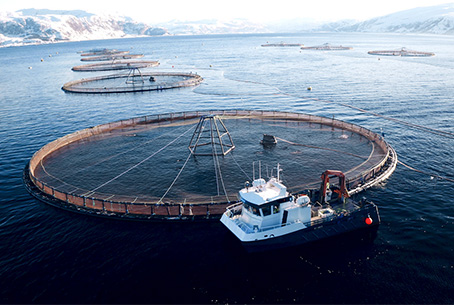
We also insist that all of our farms operate to standards recognised by the Global Sustainable Seafood Initiative (GSSI), such as ASC, GLOBALG.A.P. or BAP.

Taking inspection to new levels
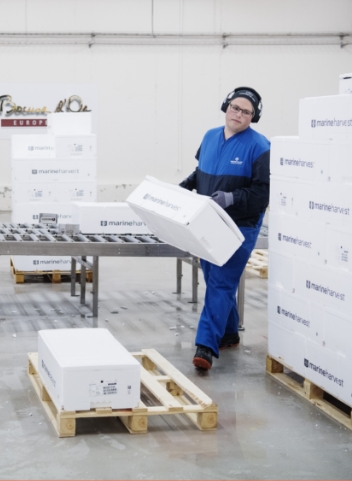
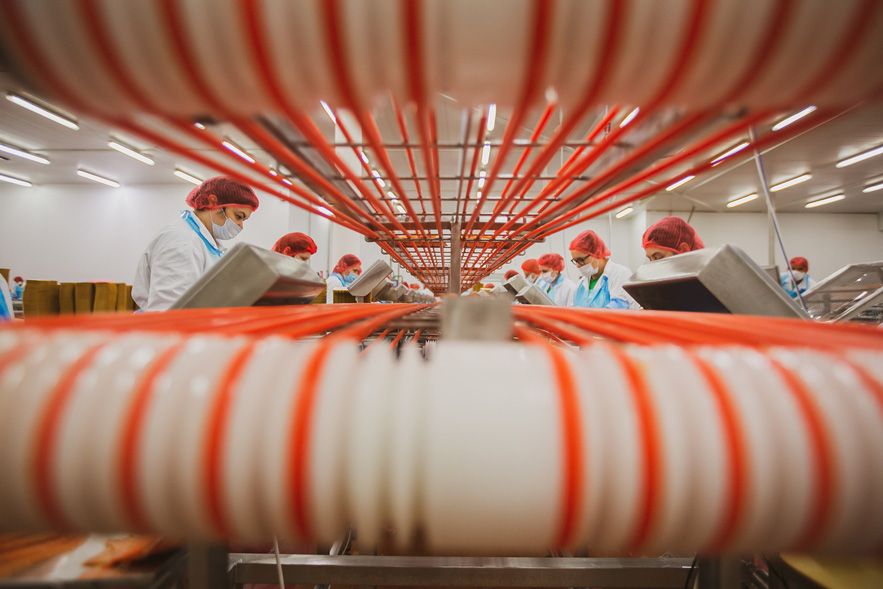
Our factories all operate robust quality and inspection regimes, undertaking visual checks and routinely taking random samples and examining them for defects and other quality issues.
While this is in line with industry best practice, we are now setting a higher standard that will deliver 100 % accuracy. We are developing new, online scanners , which will give greater insight and more accurate data, empowering us to go right back through the food chain to establish the causes and potential solutions to any defects or deficiencies.
The new systems also enable us to grade our salmon on many more parameters than what is currently available. They will extend far beyond simple, visual, checks of colour and defects and include more detailed analysis of melanin, gaping, cartilage, deformities and include Omega 3 and EPA and DHA levels and a definitive colour scale.
Moving forward, our unrivalled ability to examine every aspect of the food chain means we will be able to accurately determine the cause of each product characteristic. And we’ll be able to identify whether those causes are genetic, feed- or medicine-related or the result of conditions or events on the farm.
Putting pathogens in the past
We operate the most rigorous testing programs to screen our products for environmental contaminants, pathogenic and medicine residues to ensure that our salmon is both safe and healthy.
Any medicines used in our farms are checked using our internal approval processes. We won’t just use medicines that are approved locally but always ensure they are produced and perform to the global standards we have set.
Our team in Poland, which collects data from our production facilities, has reported a steady fall in the incidence of Listeria year on year. This is due, in large part, to the effectiveness of our comprehensive Hygiene Manual, which has been developed to drive best practice. It explains, in detail, how best to eliminate Listeria and other potential pathogens such as Covid 19.
Sub-chilling improves quality and lowers our carbon footprint
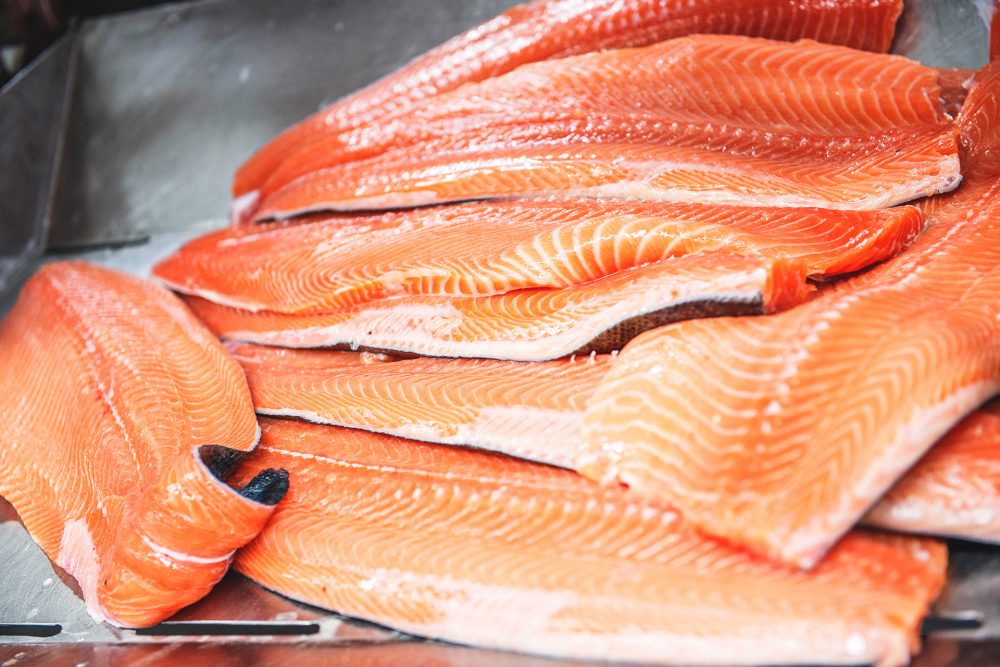
Put simply, sub-chilling involves chilling the salmon down to a level at which the fish itself acts as the core refrigerant. This delivers huge savings potential, from both economic and environmental standpoints. It also improves quality and freshness by preserving the texture of the salmon better and extending its shelf life by over 30%. And, because it greatly reduces the need for ice, which made up roughly 30% of the weight of traditional salmon shipments, it delivers significant logistics savings and lightens our carbon footprint.
Sub-chilling involves cooling the salmon down to -1.2°C. Initially, the salmon is chilled to -1°C in salt water (60ppm) to achieve a temperature of -3°C so that the surface of fish is slightly frozen. Over time, the temperature equalises through the fillet giving a core temperature of -1°C. The energy used to take the fish below freezing point is stored in the flesh as cold energy removing the need for ice. The reduction in ice means fish can be packaged for distribution more efficiently. Lighter, translates into cheaper, more sustainable logistics.
The benefits don’t stop with transport. The sub-chilling process is highly efficient and results in improved product quality, with firmer flesh and increased filleting yields. What’s more, shelf life can be extended from the current standard of 16 days up to 21 days under optimal storage conditions.
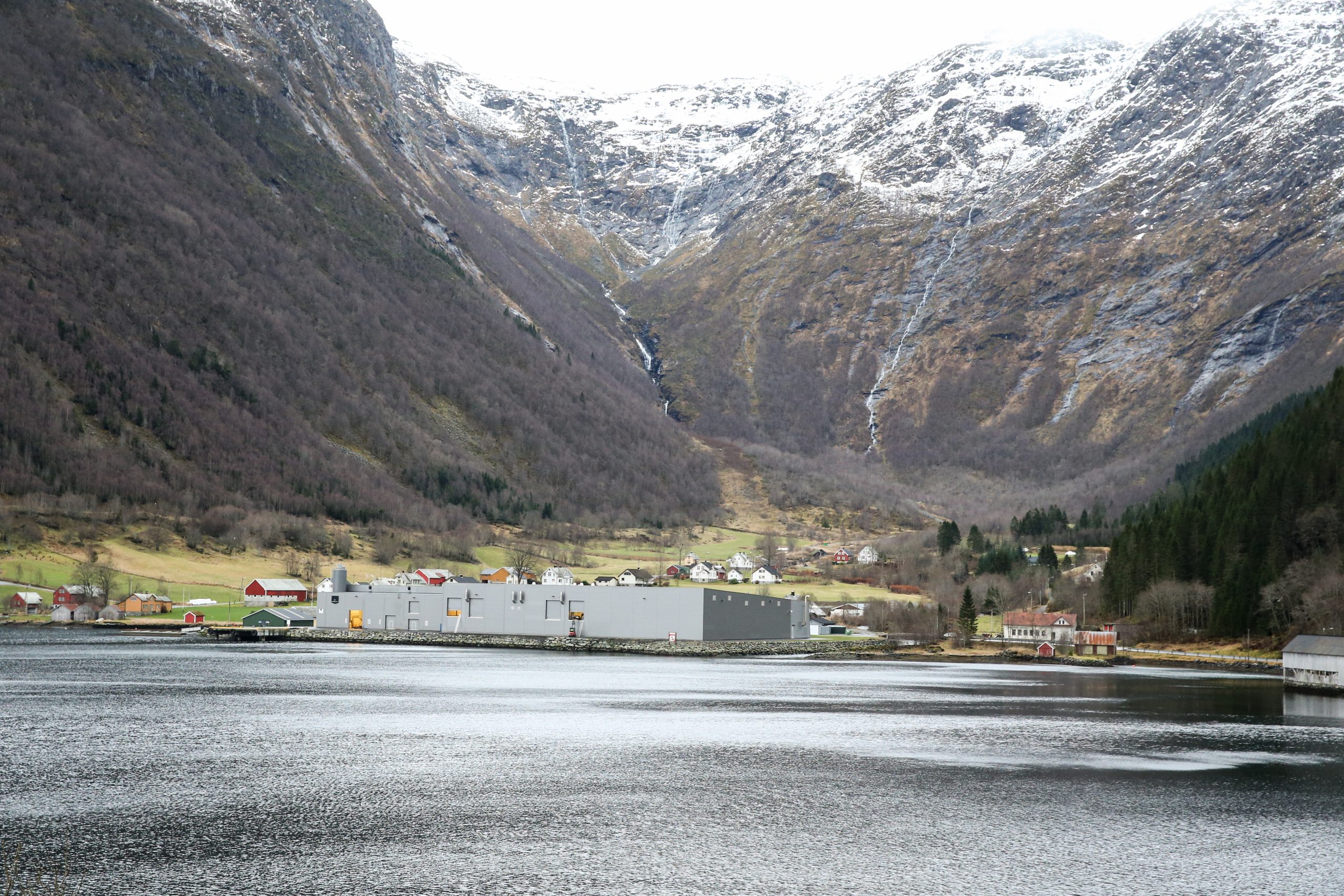
Sub-chilling is for now only used at Herøy factory.
Taking a rigorous approach to pre-rigor
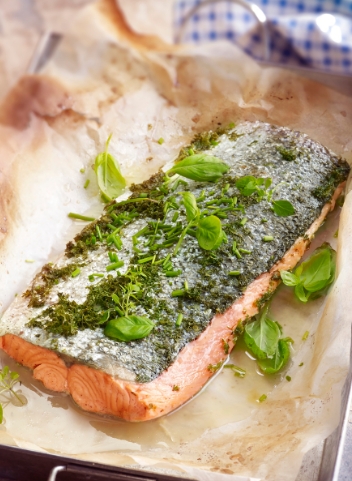
Filleting salmon pre-rigor is widely recognised as producing the best quality of salmon available. Studies have identified that filleting at this early point, produces salmon fillets with lower bacterial numbers as well as higher fresh odour scores. Fresh pre-rigor fillets also had the highest colour score, less fillet gaping, the firmest texture and the lowest drip loss compared to frozen pre-rigor fillets, or frozen or fresh post-rigor fillets. What’s more, they require less packaging and water, making them more environmentally friendly. As a result, they command a premium and are sought out by professional chefs across the hospitality industry.
Mowi supplies more pre-rigor fillets than any other salmon producer in the world. Our primary processing plants in Norway are configured to deliver industry-leading standards of pre-rigor fillets that are usually processed within two hours of having been swimming in water. So, our discerning customers enjoy some of the very freshest, pre-rigor salmon fillets that money can buy.